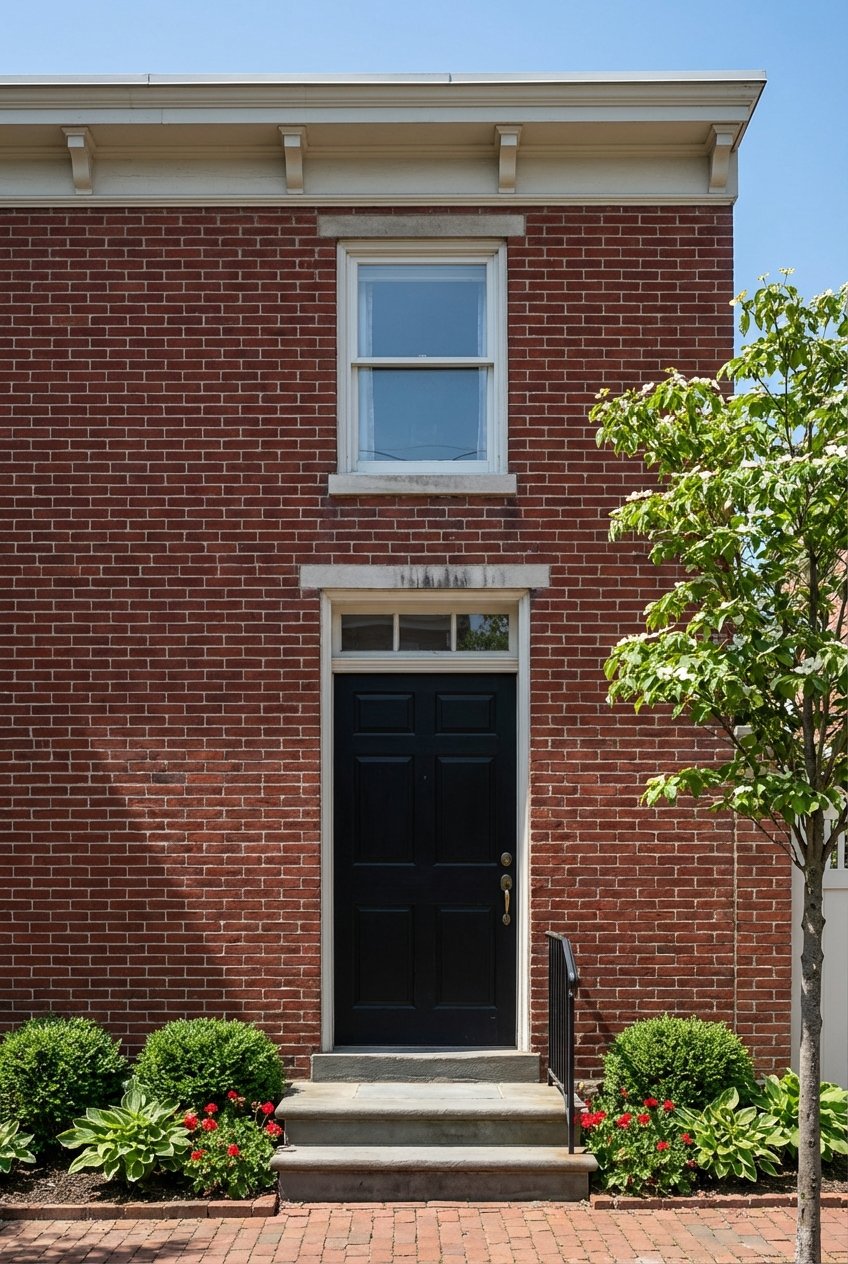
Love the character of Cumberland’s older homes but not sure what you are looking at on a quick tour? You are not alone. From grand Victorians to tidy brick rows, Cumberland’s history as a canal, rail, and manufacturing hub left a deep mix of styles across its neighborhoods. In this guide, you will learn how to spot key architectural cues, where to find them, and what to ask before you buy, including preservation rules and smart inspection steps. Let’s dive in.
Where to find historic character
Cumberland’s layered housing stock reflects growth tied to the C&O Canal, the National Road, and the B&O Railroad. For a quick primer on why the city looks the way it does, explore the Preserve America overview for Cumberland’s past and architecture context from the early 1800s through the early 1900s. You can find that background in the federal profile of the city’s heritage and development on the ACHP site.
- Downtown Cumberland Historic District. Along Baltimore Street and the downtown mall, you will see late 19th and early 20th century commercial buildings. This area works well if you want proximity to restaurants, cultural sites, and potential live/work options near Canal Place. See the official district listing through the Maryland Historical Trust.
- Washington Street Historic District. This residential corridor showcases some of the city’s most prominent houses, from Greek Revival and Italianate to Queen Anne, Colonial Revival, and early bungalows. Review the district’s scope and examples in the Washington Street listing.
- Greene Street Historic District and Decatur Street. Expect narrower brick rows and attached houses dating from about 1820 to 1930, plus modest single-family forms. See the Greene Street listing for photos and context.
- Rolling Mill area. East of downtown, this district mixes late Victorian through early 20th century vernacular houses in wood and brick and offers a wide range of sizes and prices.
Spot the styles at a glance
Below are quick cues you can use during a 5 to 10 minute walk-through, plus one watch-out to flag for your inspector.
Greek Revival and Federal
- What you will notice: Symmetry, gabled pediments, and classical entry details like sidelights and transoms. Exteriors are brick or wood clapboard on early homes near Washington Street and Prospect Square.
- Inside feel: Center- or side-hall layouts with formal parlors and often high ceilings in well-preserved examples.
- Quick buyer watch-out: Ask about foundation type and mortar condition. Older stone or brick foundations can need lime-based repointing.
Italianate
- What you will notice: Low-pitched or hipped roofs, wide overhanging eaves with brackets, tall narrow windows with decorative hoods, and sometimes a cupola. Learn more style cues from the National Park Service overview.
- Inside feel: Tall ceilings, substantial trim, and formal parlors and dining rooms in many examples.
- Quick buyer watch-out: Eaves and brackets can trap moisture. Check for rot at cornices and porch roofs.
Second Empire
- What you will notice: A distinctive mansard roof, dormers, and bracketed cornices. Several Washington Street residences reflect this style.
- Inside feel: Grand stair halls and formal rooms suited to entertaining.
- Quick buyer watch-out: Slate mansard roofs are beautiful but specialized. Ask about recent slate repairs and flashing condition.
Queen Anne and Victorian
- What you will notice: Asymmetrical facades, varied gables, towers or turrets, patterned shingles, bay windows, and generous porches. For a visual checklist, see the NPS guide to Queen Anne architecture.
- Inside feel: Irregular rooms with a prominent central stair, multiple parlors, and detailed wood trim. You may spot pocket doors and decorative mantels.
- Quick buyer watch-out: Porches are character-defining and often need attention. Look for sagging floors, loose rails, and water damage.
Romanesque Revival
- What you will notice: Heavy masonry, round arches, and rusticated stone or brick details on select large homes and institutions.
- Inside feel: Substantial woodwork and deep-set window openings that feel solid and quiet.
- Quick buyer watch-out: Masonry joints and lintels should be checked for water intrusion and mortar loss.
Colonial Revival
- What you will notice: Symmetrical fronts, classical porticos, and double-hung windows, often in brick or clapboard. You will find examples in later Washington Street houses and infill.
- Inside feel: More formal, rectilinear plans with dining rooms and center halls.
- Quick buyer watch-out: Original windows and trim add value. Ask whether replacements were historically appropriate if changes were made.
Craftsman Bungalow
- What you will notice: Low-pitched roofs, wide eaves with exposed rafter tails, and full or partial front porches on tapered piers. Frequently one to one-and-a-half stories.
- Inside feel: Open living and dining areas, built-ins, and a cozy scale.
- Quick buyer watch-out: Porch piers and roof connections are moisture-prone. Check for settlement or cracked masonry.
American Foursquare and vernacular early 20th century
- What you will notice: Boxy two-story massing, a hipped roof with a central dormer, and a full-width porch.
- Inside feel: Efficient four-room per floor plans with straightforward circulation and good natural light.
- Quick buyer watch-out: Look for foundation settlement at corners and porch footings.
Brick rowhouses and narrow urban rows
- What you will notice: Attached two- or three-story brick houses with shared party walls and small rear yards, especially around Greene and Decatur Streets.
- Inside feel: Narrower rooms with straight-run stairs and efficient layouts.
- Quick buyer watch-out: Confirm party-wall maintenance and rear access arrangements in your title review and seller disclosures.
Practical checklist for touring character homes
Use this quick list on your first or second visit to a historic home in Cumberland.
Exterior and site
- Roof and gutters. Ask about age and material. If you see slate, note any slipped tiles, rusted flashing, or sagging gutters. Street-visible roof work in local districts often requires a review, so plan for timing.
- Masonry and foundations. Look for mortar loss and bulging or uneven walls. Older masonry should be repointed with the right materials, not hard cement.
- Porches and stairs. Check for soft spots, rot at posts and rails, and rail height. Porches are often key to the home’s style, which can affect how repairs are approved.
- Drainage. Note grading around the foundation and any water staining at the base. Ask about sump pumps and past flooding in low-lying areas.
Interior and structure
- Floors and plaster. Slopes in floors or cracks above doors and chimneys can signal settlement. Original plaster and trim are often repairable with the right trades.
- Stairs and railings. Test for movement and squeaks. Loose treads and handrails are common but manageable.
- Fireplaces and chimneys. Confirm whether flues are lined and usable. Many systems began as coal or wood heat and were later converted.
Mechanical systems and potential hazards
- Electrical. If the home predates WWII, ask about knob-and-tube or cloth-insulated wiring and plan for a licensed electrician’s survey.
- Plumbing. Ask about the age and material of supply and drain lines. Clarify whether any lead service line was present and replaced.
- Heating and cooling. Identify boiler or furnace age, distribution type, and whether any radiators were removed. Ask about recent service.
- Lead paint. For pre-1978 homes, federal rules require disclosures and provide a 10-day window for a lead inspection unless waived. Review the EPA’s lead safety resources and pamphlet requirements in the EPA lead materials. For Maryland-specific inspection and certification options, see the MDE Lead Poisoning Prevention Program.
Know the rules before you renovate
Cumberland’s locally designated Canal Place Preservation District and other local districts review many exterior changes visible from the street. Before you plan new siding, windows, porch work, or a roof visible from the front, confirm whether you need a Certificate of Appropriateness. You can review the process, deadlines, and contact information on the City’s Certificate of Appropriateness page.
A few key points to keep in mind:
- National Register listing is an honor and can help with incentives, but it does not regulate private owners by itself. Local designation and the City’s COA rules guide what is allowed for exteriors.
- Ask sellers whether recent exterior work was approved under a COA. Request copies of any approvals or permits.
- Clarify whether the property is a contributing resource within a local district. That status can affect review standards and timing.
Costs, incentives, and timing
Restoring historic details can pay off in curb appeal and long-term value, but it takes planning.
- Budget and bids. Specialized work like slate repair, historic window restoration, or lime mortar repointing requires contractors with the right experience.
- Incentives. Maryland offers historic rehabilitation tax credit options that can offset qualified work. Start early and follow the Secretary of the Interior’s Standards. A clear homeowner primer is available through Preservation Maryland’s tax credit guide.
- Insurance and lending. Very old wiring, unlined chimneys, or lack of egress can affect insurability or loan conditions. Verify requirements with your lender and insurer before you make big upgrade plans.
When to pause and call a specialist
You can enjoy an older home with confidence when you bring in the right pros at the right time. Hit pause and get help if you spot:
- Active moisture in the basement or clear drainage issues.
- Signs of foundation movement, bulging masonry, or extensive mortar loss.
- Evidence of knob-and-tube or aluminum wiring.
- A failing slate roof or widespread roof leaks.
- Chipped or peeling paint in a pre-1978 home, especially around windows and doors. For guidance and accredited inspectors, review the MDE program page and the EPA’s lead resources.
Recommended specialists include a historic-house-savvy home inspector, a licensed electrician familiar with older systems, a structural engineer when movement is suspected, and a masonry or slate roofer with preservation experience.
Your next step
If the charm of Cumberland’s architecture speaks to you, focus your search on the districts and styles that fit your day-to-day life. Use the quick cues above to spot features you love, and plan for inspections and approvals that keep your home’s character intact. When you are ready, let a local expert help you weigh trade-offs, line up the right specialists, and time your purchase and projects well.
Have questions about a specific property or district? Reach out to Donny Carter for thoughtful, local guidance backed by Better Homes & Gardens Real Estate Old Line Group’s full-service support.
FAQs
What is a historic district in Cumberland and how does it affect exterior work?
- Cumberland’s local districts review many street-visible exterior changes through a Certificate of Appropriateness, which you can learn about on the City’s COA page.
How can I tell a Queen Anne from a Colonial Revival on Washington Street?
- Queen Anne homes show asymmetry, varied gables, towers, and decorative shingles, while Colonial Revival homes have more symmetry and classical entry details; the NPS Queen Anne guide offers helpful visual cues.
Do Maryland lead paint rules apply if I buy a pre-1978 home in Cumberland?
- Federal rules require lead disclosures and give you time to test, and Maryland provides inspection and certification options through MDE; review both the EPA and MDE resources before closing.
What inspections matter most when I buy a Victorian in Cumberland?
- Prioritize a general inspector familiar with historic homes, a licensed electrician for old wiring, a roofer who knows slate, and specialists for drainage, masonry, and chimneys.
Are there tax credits for fixing up a historic house in Cumberland?
- Maryland’s rehabilitation tax credits can help with qualified work if you apply early and follow the standards; start with Preservation Maryland’s homeowner primer for the process and requirements.