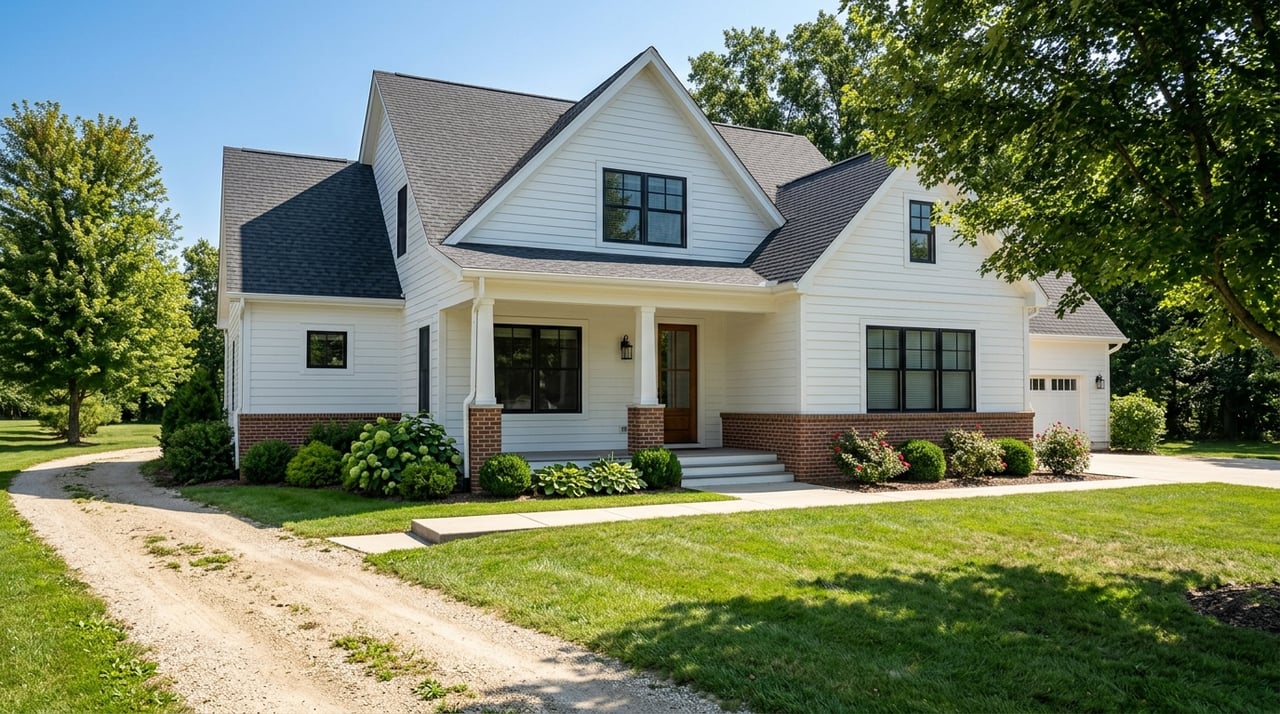
Looking for more space without giving up access to Cumberland? You are not alone. Many buyers want a little more land for privacy, outdoor projects, storage, or simply breathing room, but in Allegany County, a bigger lot brings different questions than an in-town purchase. This guide will help you think through acreage, utilities, site conditions, and permits so you can shop with confidence. Let’s dive in.
Why larger lots appeal near Cumberland
If you want a rural feel while staying connected to daily needs, the Cumberland area offers a strong mix of both. Cumberland is the region’s hub, with access from Interstate 68 and an Amtrak station downtown, which helps keep surrounding areas tied to the city.
The setting also plays a big role in the appeal. Cumberland describes itself as nestled among the Appalachian Mountains, and Allegany County highlights major recreation assets such as Rocky Gap State Park, Green Ridge State Forest, and the Great Allegheny Passage. The county also says it has 60,000 acres of public wild lands, with one out of every four acres being public land.
That means buying near Cumberland can offer more than square footage. You may be buying into a lifestyle with room for a garden, a workshop, outdoor recreation, or simply a quieter setting with easy access back into town.
Lot size is only part of the story
A larger parcel can look perfect on paper, but the usable part of the land matters just as much as the total acreage. Allegany County planning documents note that the local landscape includes steep slopes, poorly drained soils, narrow streams, floodplain areas, and erosion-prone sites.
In practical terms, that can affect where a house sits, how a driveway is laid out, how drainage works, and whether future improvements are realistic. A five-acre property with difficult terrain may give you less usable space than a smaller parcel with better site conditions.
When you tour homes with elbow room, it helps to look beyond the listing photos. Pay attention to how the land actually lays, how easy it is to reach the home, and whether there appears to be room for the uses you have in mind.
Check whether the property is in the city or county
One of the first questions to ask is whether the property is inside Cumberland city limits or in unincorporated Allegany County. That answer affects who handles zoning, land use, and development questions.
Allegany County Land Development Services applies to unincorporated areas of the county and the LaVale Zoning District. Incorporated cities and towns handle their own development offices. If you are comparing an in-town property with an edge-of-town or rural parcel, that difference can shape the approval process for future projects.
This matters even if you are not planning to build right away. If you may want a detached garage, a barn, a pool, or an addition later, it is smart to understand the property’s jurisdiction before you make an offer.
Utilities can change as you move outward
The farther you move from town, the more important utility research becomes. Allegany County’s Utilities Division says it serves portions of the county, but it does not maintain public water and sewer systems inside the city or town limits of Cumberland, Frostburg, LaVale, Luke, or Westernport.
The county also says about 85% of county residents have access to public water and sewer. That still leaves some properties using private systems, especially in more rural settings.
It is also important to know what the county does not provide. According to the county, it does not provide electric power, natural gas, cable, or street lights. For buyers, that means you should confirm exactly which utilities are available at a property before writing an offer.
Utility questions worth asking
- Is the home on public water and sewer or a private well and septic system?
- What electric, gas, cable, or internet services are available at the property?
- Are there any service limitations because of the lot’s location or topography?
- Is the driveway access already established, or could improvements be needed?
Wells and septic need extra attention
If a property uses a private well, you will want clear information about water quality and maintenance. Maryland says homeowners are responsible for individual wells and recommends regular testing.
The Maryland Department of the Environment says wells should be sampled at least annually for total coliform bacteria, nitrates, total dissolved solids, and pH. The state also warns that floodwaters can contaminate wells, which makes location and drainage especially important in this region.
For septic systems, local conditions matter a great deal. The Allegany County Health Department Environmental Health program handles on-site well and septic programs, including percolation tests, septic system design, new well tests, private water, and well-driller permitting.
The same local guidance notes that septic suitability depends on site conditions and expected use or load. County water and sewer planning also notes that many local soils are shallow or on steep slopes and are often poorly or somewhat poorly suited for septic absorption fields.
What to verify on a well and septic property
- When was the well last tested?
- Were test results provided for water potability?
- When was the septic system last inspected?
- Was any property-transfer septic inspection completed by a licensed professional?
- Are there records for percolation testing or septic design?
ACHD also notes that once a well is drilled, the water is sampled to ensure potability. For buyers, that reinforces the value of reviewing water information carefully before closing.
Floodplain, slopes, and drainage deserve a closer look
Near Cumberland, water features and mountain terrain are part of the landscape. They are also part of the due diligence process.
Allegany County offers flood-map resources and points buyers to Digital Flood Insurance Rate Maps. The county explains that a FEMA Special Flood Hazard Area is an area with a 1% or greater annual chance of flooding.
If a property is near a river, creek, or low-lying area, floodplain review should be part of your search. Even outside a mapped flood area, steep slopes and drainage patterns can affect how usable a lot feels and what future site work may be needed.
A property with elbow room can still come with limits. That is why land shape, runoff, access, and placement options are just as important as total acreage.
Outbuildings and future projects may need permits
A lot of buyers looking for more land are also thinking ahead. Maybe you want a detached garage, a shed, a pool, or space for equipment. In Allegany County, those plans can bring permit requirements.
In unincorporated Allegany County, a building permit is always combined with a land-use permit. The county says the land-use permit helps guide structural placement, grading, and environmental concerns, and no construction may begin until the permit is issued, including land clearing such as tree removal.
County guidance also says new construction with a footprint larger than 100 square feet or grading with heavy equipment requires a permit. Prefab structures 100 square feet or larger, including sheds and pools, require permits, and structures under 100 square feet still must comply with zoning and building regulations.
Additions and accessory structures over 600 square feet require inspections. Permit forms also ask for details such as driveway access, water source, sewerage disposal, property lines, setbacks, utilities, slopes, floodplain, soil conditions, drainage, and future development plans.
Why this matters to buyers
- Existing sheds, garages, barns, or pools may need permit history verified.
- Future improvements may require more planning than you expect.
- Land clearing and grading are not always simple weekend projects.
- Site constraints can affect cost long after closing.
Think about ownership beyond the purchase
Buying a home with more land often means a different kind of day-to-day ownership. You may have more privacy and flexibility, but you may also have more maintenance, more site monitoring, and more responsibility for systems on the property.
Allegany County Environmental Health says open burning generally requires a permit, except for small recreational fires and agricultural-practice fires. County permit guidance also tells applicants to plan for maintenance, repair, future development, and stormwater management.
That does not mean acreage is a bad fit. It simply means the best purchase is one that matches how you actually want to live, maintain, and use the property over time.
A smart buying approach near Cumberland
If you are shopping for elbow room near Cumberland, it helps to stay focused on a few core questions from the start. The goal is not just to find more land, but to find land that works for your needs.
Here is a simple framework to use as you compare properties:
- Confirm the location type. Is the property in Cumberland, another incorporated area, or unincorporated Allegany County?
- Review utility service. Check public water and sewer access or confirm private well and septic details.
- Look at site conditions. Consider slopes, drainage, floodplain concerns, and driveway access.
- Verify structures and permits. Ask about sheds, garages, pools, barns, and any additions.
- Match the property to your plans. Make sure the lot supports how you want to use it now and later.
A little extra homework up front can save you from expensive surprises later. It can also help you spot the difference between a property that only looks spacious and one that truly supports the lifestyle you want.
If you want help comparing homes with acreage, edge-of-town properties, or rural listings near Cumberland, working with a local team can make the search much clearer. Donny Carter can help you sort through the practical details and find a property that fits the way you want to live.
FAQs
What should you check before buying land near Cumberland?
- Focus on whether the lot is in the city or county, what utilities are available, and whether slopes, drainage, floodplain conditions, or access issues could affect the property’s use.
What utility questions matter for larger-lot homes in Allegany County?
- Ask whether the property uses public water and sewer or a private well and septic system, and confirm the availability of electric, gas, cable, and other services before making an offer.
What should you know about wells and septic near Cumberland?
- Maryland recommends regular well testing, and Allegany County Health Department Environmental Health handles local well and septic programs, including percolation testing, septic design, and private water oversight.
Do sheds and outbuildings need permits in Allegany County?
- In unincorporated Allegany County, many projects do require permits, including prefab structures 100 square feet or larger, and permit review can also apply to grading, placement, and environmental concerns.
Why does floodplain review matter for acreage near Cumberland?
- Properties near rivers, creeks, or low-lying areas may be affected by mapped flood hazards, and local terrain can also create drainage and site-usage limits even on larger parcels.