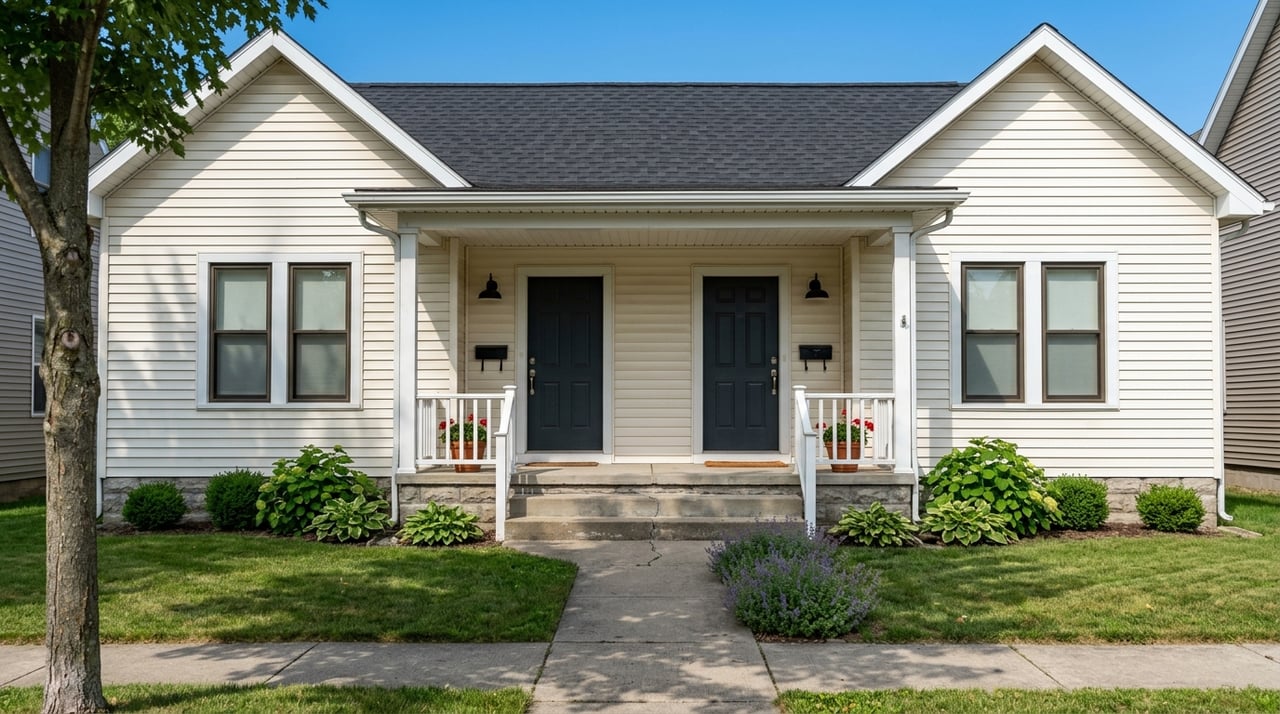
Wondering if a duplex, triplex, or small apartment property in Frostburg could be your next smart move? In a market shaped by student demand, older housing stock, and city-specific rental rules, buying small multi-family property here takes more than a quick look at rent numbers. If you want to buy with more confidence, this guide will walk you through what to watch, what to verify, and how to think through the numbers before you make an offer. Let’s dive in.
Why Frostburg Gets Investor Attention
Frostburg is a small city with a strong rental presence. Maryland Planning Department ACS estimates for 2020 through 2024 show a population of 6,977, a median age of 25.6, and renter occupancy at 50.6% of occupied housing units. That combination helps explain why many buyers look at small multi-family properties here as a practical entry point into rental ownership.
Frostburg State University also plays a major role in local housing demand. The university reported 4,065 students in fall 2025, which is a meaningful number in a city of Frostburg’s size. For you as a buyer, that means rental demand can be real, but it can also be seasonal and tied to the academic calendar.
The city’s rental market has both opportunity and risk. ACS estimates show a rental vacancy rate of 8.3% and a median gross rent of $945. Those figures suggest demand exists, but they also reinforce the need to plan for turnover, vacancy, and reserves instead of assuming every unit will stay full year-round.
What Counts as Small Multi-Family
In Frostburg, small multi-family usually means properties like duplexes, triplexes, four-unit buildings, or other modest apartment buildings. According to ACS estimates, the city includes 159 two-unit structures and 237 three- or four-unit structures. There are also 478 properties in the five- to nine-unit category.
That matters because small multi-family is part of Frostburg’s housing mix, but it is not the dominant form. Detached single-family homes still make up a much larger share, with 1,674 units counted in the ACS data. So when you shop for a small building here, you are buying into a real niche rather than the city’s main housing type.
Why Student Demand Matters
If you are buying in Frostburg, you need to think about timing as much as rent. Frostburg State University’s fall 2025 classes begin August 25, 2025, and spring 2026 classes begin January 26, 2026. Because of that calendar, leasing activity often clusters around late summer and late spring.
For you, this can affect everything from marketing timing to turnover planning. A vacant unit in June or July may feel urgent in a different way than a vacancy in the middle of winter. It also means you should underwrite with realistic expectations about move-outs, cleaning, repairs, and re-leasing windows.
Older Buildings Need Closer Review
A lot of Frostburg’s housing stock is older, and that can shape both your budget and your risk. ACS estimates show that 30.4% of housing units were built in 1939 or earlier, and another 13.3% were built in the 1950s. In practical terms, that often means more attention to major systems and long-term maintenance.
When you tour a small multi-family property, look beyond cosmetic updates. Older buildings may need closer review of the roof, plumbing, electrical systems, moisture control, and overall deferred maintenance. A property that looks affordable at first glance can become much more expensive if you underestimate future repairs.
Check Zoning Before You Assume Anything
One of the most important steps in Frostburg is confirming that the current or intended use fits the property’s zoning. The city’s zoning districts include R1, R2, R2-A, R3, R4, RO, C1, C2, C3, C4, T-LI, and overlays such as Historic Preservation and Planned Neighborhood Development. Allowed uses vary by district, so you should never assume a duplex or multi-family use is automatically allowed everywhere.
The zoning ordinance specifically lists two-family homes, duplexes, and multi-family apartment buildings as permitted uses in Planned Neighborhood Development zones. That does not mean every parcel will allow the same use or a future conversion. Before closing, verify the parcel’s zoning map and any overlay district so you know whether the property can continue operating as you expect.
Know the Local Cost Structure
A good deal is about more than the purchase price. In Frostburg, your operating costs may include city and county real estate taxes, rental licensing, inspections, maintenance, turnover costs, insurance, and reserves. If you skip those line items, your projected return can look stronger on paper than it will in real life.
For fiscal 2026, Frostburg’s combined real property tax rate is 1.5528 per $100 of assessed value. That total includes 0.8528 county tax and 0.7000 municipal tax. The city also notes that parcels are billed by both the city and Allegany County, and non-owner-occupied properties must pay city real estate taxes by September 30 to avoid interest.
Use Rent Data Carefully
Rent data can help you benchmark a property, but it should not be treated like a promise. Frostburg’s ACS median gross rent is $945, while 39.2% of renter households paid between $1,000 and $1,499 per month and 38.3% paid between $500 and $999. Those figures are useful for context, but they are still estimates.
That means you should treat broad rent data as directional, not exact. The actual rent you can achieve may depend on unit size, condition, updates, utilities, layout, and leasing timing. In a student-influenced market, management style and turnover control can also make a big difference in your bottom line.
Licensing Rules Can Affect Your Numbers
Frostburg requires annual rental licensing for rental units that are not occupied by the owner as a primary residence. Licensed rentals are also subject to inspection every three years. If you are buying your first rental here, this is not a detail to leave for later.
The city’s 2026 rental housing form shows a fee structure that changes over time. The fee is $40 per unit by February 1, $50 by March 1, and $100 by April 1. After April 1, the cost becomes $40 per unit plus a $250 citation per unit, and the city states that units not licensed before April 1 are out of compliance.
The same form also states that failure to register by June 1 can eliminate non-conforming zoning protections. That makes licensing more than an administrative task. For you as a buyer, it is part of both the cost structure and the compliance picture.
Lead Compliance May Be a Real Expense
If you are buying an older rental property, lead compliance may be one of your most important due diligence items. Maryland’s Department of the Environment says that pre-1978 rental properties subject to the Lead Law must be registered upon purchase, renewed every two years, and inspected after certain triggering events. In Frostburg, where many homes are older, this can be highly relevant.
This is one reason older duplexes and converted houses need a more detailed review. Lead-related work may not be a one-time box to check. It can become an ongoing cost that affects your reserves, rehab budget, and timeline.
If You Plan Improvements, Research Permits Early
Some buyers want a property they can improve right away. If your plan includes rehab, conversion, or expansion, the permit process should be part of your early due diligence. Frostburg’s building permit guidance says applicants submit plans and supplemental materials, the planner performs zoning review, and plans then go to MEGCO Inspections.
The city says plan review typically takes 7 to 10 working days. Its commercial and multi-family plan review requirements also state that plans must meet Maryland Building Performance Standards and may require a Maryland-registered design professional. If your numbers depend on a fast renovation or layout change, timing and permitting should be built into your analysis from the start.
Historic District Rules Can Change the Scope
In some parts of Frostburg, historic district review may affect your plans. The city says a Certificate of Appropriateness from the Historic District Commission may be required before a building permit is issued for properties in the historic district. That can be especially important for older duplexes or small apartment buildings.
For you, this means the exterior work you imagine may need another layer of approval. It is much better to know that before closing than after you already own the property and are trying to start repairs.
A Simple Due Diligence Checklist
Before you buy a small multi-family property in Frostburg, make sure you have clear answers to these questions:
- What is the property’s current zoning district?
- Is there a zoning overlay, such as Historic Preservation?
- Is the current rental use compliant, legal, and properly licensed?
- When was the property built, and what systems need closer review?
- Is the property likely subject to Maryland lead rental rules?
- What are the current and realistic future rents?
- What vacancy and turnover assumptions make sense for this property?
- What are the city and county tax obligations?
- What licensing fees, inspections, and maintenance reserves should be added to your budget?
- If you plan renovations, what permits or approvals may be required?
How to Think About the Deal
In Frostburg, the biggest risks are often operational, not just financial. The research points to a market where older housing stock, student-driven turnover, city rental licensing, lead compliance, and local tax burden can all affect performance at once. That is why strong due diligence matters so much here.
The good news is that small multi-family can still be a smart fit if you buy with realistic expectations. When you verify zoning early, inspect older systems carefully, and build in reserves for vacancy and compliance, you put yourself in a better position to make a steady, informed decision.
If you are considering a duplex, triplex, four-unit, or student-oriented rental in Frostburg, local knowledge can save you time and help you avoid expensive assumptions. Working with someone who understands the area’s housing stock, rental patterns, and transaction details can make the process much smoother. When you are ready to explore your options, connect with Donny Carter for practical, local guidance.
FAQs
What makes Frostburg different for small multi-family buyers?
- Frostburg has a student-influenced rental market, older housing stock, annual rental licensing requirements, and local compliance issues that can all affect cash flow and day-to-day operations.
What should you verify before buying a duplex in Frostburg?
- You should verify zoning, overlays, current rental licensing status, property condition, likely lead compliance requirements, tax obligations, and whether your intended use is allowed.
How much are Frostburg real property taxes for rental property?
- For fiscal 2026, the combined real property tax rate is 1.5528 per $100 of assessed value, including 0.8528 county tax and 0.7000 municipal tax.
Do Frostburg rental properties need a license?
- Yes. The City of Frostburg requires annual rental licensing for rental units that are not occupied by the owner as a primary residence, and licensed rentals are subject to inspection every three years.
Why is older housing stock important when buying Frostburg rentals?
- Older buildings may require more attention to roofs, plumbing, electrical systems, moisture control, deferred maintenance, and possible lead law compliance, all of which can affect your budget.
Can you rely on median rent data when buying Frostburg multi-family property?
- No. Broad rent data can help you benchmark a property, but it should be used as a directional guide rather than a guarantee of what a specific unit will rent for.