Wondering whether an older Frostburg home or a newer build is the better fit for your life? You are not alone. In a city with a long-established housing base and only a small share of newer construction, this is less about picking a “winner” and more about choosing the kind of daily living, upkeep, and flexibility that suits you best. If you are weighing charm against convenience, this guide will help you compare the tradeoffs with Frostburg in mind. Let’s dive in.
Frostburg Has More Older Homes Than Newer Ones
If you are shopping in Frostburg, you will likely see more older homes than brand-new ones. The city’s 2020-2024 ACS estimate shows 30.4% of housing units were built in 1939 or earlier, while only 2.1% were built in the 2010s and 0% were built in 2020 or later.
That tells you something important right away. In Frostburg, comparing older homes versus newer builds is not just a style question. It is also a question of inventory, because the city’s housing options lean heavily toward established homes rather than recent construction.
Detached single-family homes make up the largest share of Frostburg housing at 53.5%. The median home has 5.7 rooms, and 3-bedroom homes are the most common size, accounting for 36.8% of units.
What Older Frostburg Homes Often Offer
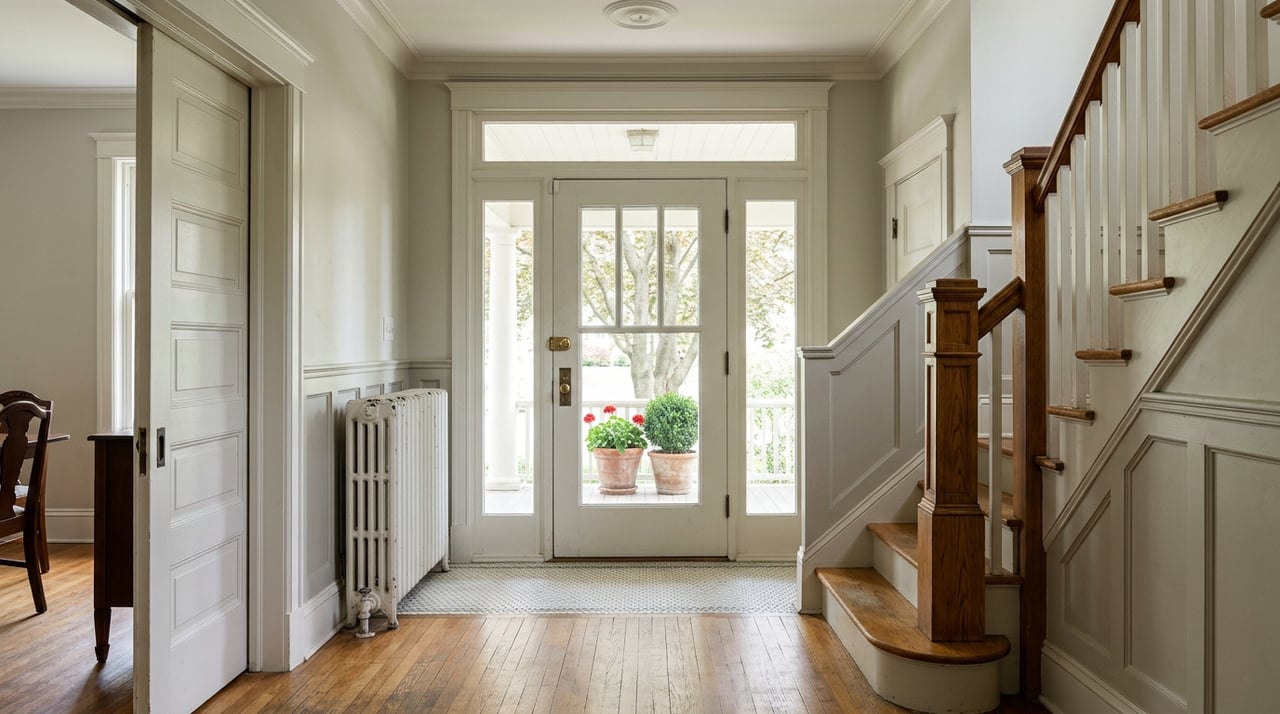
Older homes in Frostburg often appeal to buyers who want a sense of history, more traditional room separation, and the chance to personalize a property over time. In practical terms, many of these homes feel less open-concept and more room-defined than newer production homes.
That layout difference can shape your day-to-day experience. If you like distinct living, dining, and kitchen spaces, an older home may feel comfortable and familiar. If you prefer one large shared area for cooking, gathering, and relaxing, you may notice the contrast right away.
In Frostburg, older housing is also tied closely to the city’s Historic District. This district includes more than 350 commercial and residential properties listed on the National Register of Historic Places.
Historic District Rules Matter
If you buy an older home in Frostburg, especially one in the Historic District, exterior work may come with added review. According to the City of Frostburg, exterior additions or alterations visible from a public street are reviewed by the Historic District Commission.
Significant exterior changes, new construction, demolition, and site changes such as fences, driveways, or new outbuildings may require a Certificate of Appropriateness before work begins. Minor actions like painting and routine maintenance generally do not require design review.
This does not mean older homes are harder to own. It does mean you should go in with clear expectations if you want to make visible exterior changes. For some buyers, that extra step is well worth it because it helps preserve the look and feel of historic properties.
Older Homes Usually Need More Hands-On Upkeep
Maintenance is one of the biggest differences between older homes and newer builds. The U.S. Department of Energy notes that older homes often have less insulation than homes built today, and that air leaks, older windows and doors, and less efficient heating systems can increase energy use.
That matters even more in Frostburg’s climate. The NOAA Frostburg 2 station reports an average of 72.1 inches of snowfall each year and a mean annual temperature of 48.6°F.
In other words, winter comfort is not a small detail here. Drafts, insulation gaps, heating system performance, and pipe protection can have a real impact on both your budget and your daily comfort.
If you are considering an older Frostburg home, pay close attention to:
- Insulation levels
- Window and door condition
- Signs of air leaks
- Heating system age and service history
- Pipe protection in colder areas of the home
The Department of Energy also notes that windows account for 25% to 30% of residential heating and cooling energy use. Improvements like caulking, weatherstripping, storm windows, replacement windows when needed, and annual furnace or heat pump maintenance can make a meaningful difference.
What Newer Builds Often Offer
Newer builds usually attract buyers who want a more current layout and fewer immediate projects. The National Association of Home Builders describes production homes as developments with a range of plans and standard or optional features, often reflecting current buyer preferences.
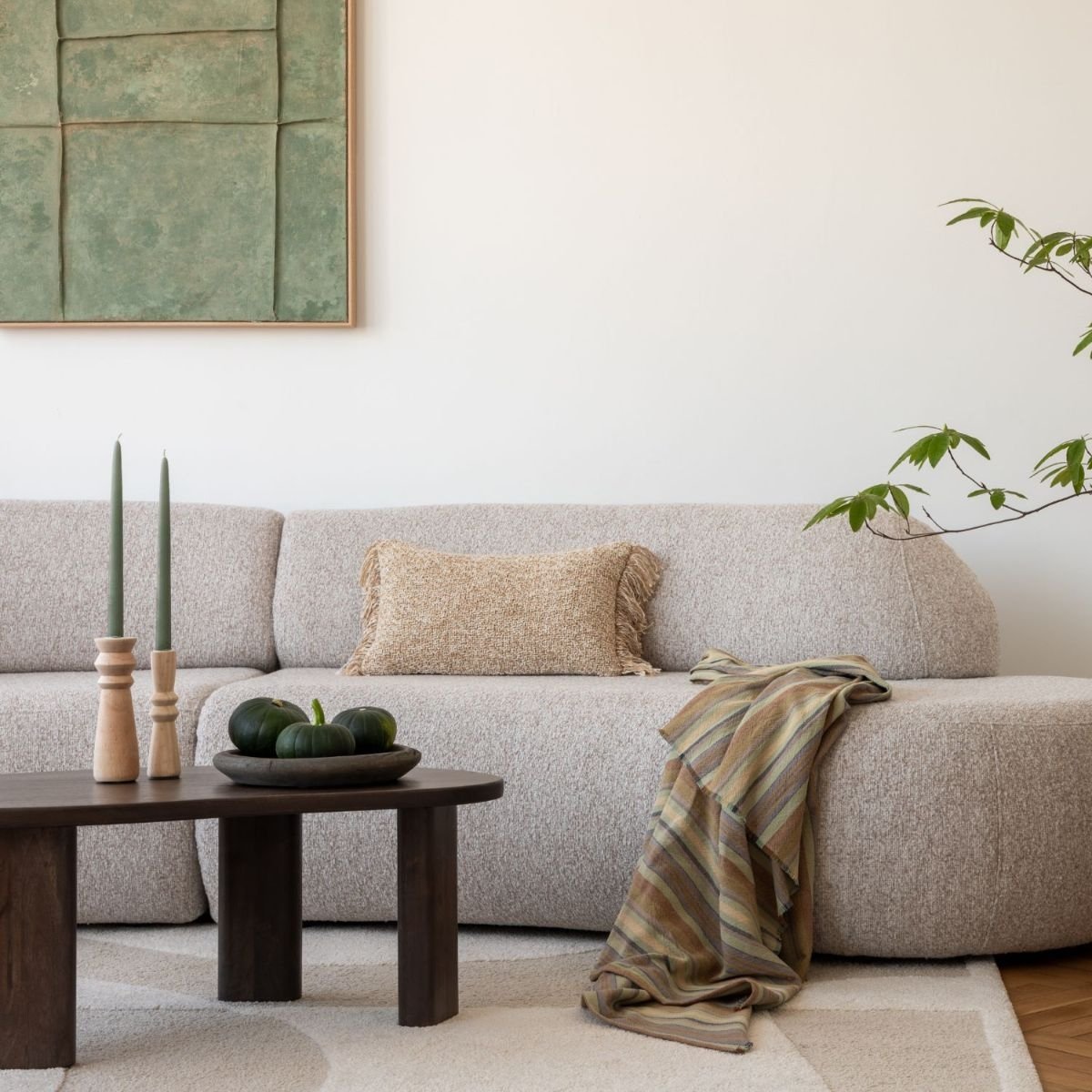
That often means open floor plans, larger kitchens connected to family rooms, dedicated laundry rooms, added storage, and energy-efficiency features such as more insulation and Energy Star-certified appliances. For many buyers, that translates into a more convenient and lower-maintenance feel.
If your goal is to move in and spend less time updating systems or adjusting to an older floor plan, a newer home may check more boxes. You may also find the flow works better for how many households live today, especially if you want more connected shared space.
Newer Homes Are Still a Small Slice in Frostburg
Even though newer homes can offer appealing features, they are a limited part of the Frostburg housing picture. The city’s local housing data shows that recent construction makes up a relatively small share of the available stock.
That can affect your search in a few ways. You may have fewer options in the newer-build category, and when one does become available, it may stand out quickly because it is less common in the local market.
It is also helpful to know that newer construction and major projects still involve city oversight. Frostburg requires permits for new construction, major structural renovations, conversions, decks or porches, garages, additions, and solar installations.
Layout Is Often the Biggest Lifestyle Difference
For many buyers, the biggest difference between older homes and newer builds is not age alone. It is how the home feels when you live in it.
Older Frostburg homes often have a more traditional layout with separate rooms and a stronger sense of division between spaces. Newer homes more often prioritize open shared areas and kitchen-to-family-room flow.
Neither approach is better for everyone. It depends on how you like to cook, gather, work from home, entertain, and unwind.
Here are a few questions worth asking yourself:
- Do you want separate rooms for quiet and privacy?
- Do you prefer an open space where people can gather together easily?
- Are you comfortable taking on future updates?
- Would you rather have more move-in-ready finishes and systems?
- Are you open to city review if you plan exterior changes on an older property?
Weather Performance Should Be Part of Your Decision
In Frostburg, weather should be part of your home search, not an afterthought. With snowy winters and cool temperatures, how a home handles heat retention and winter maintenance can shape your ownership experience.
In an older home, that may mean asking more detailed questions about insulation, draft points, and heating updates. In a newer home, it may mean confirming what energy-efficiency features are present and how the home was designed for comfort.
This is one reason the old-versus-new decision is so personal. A buyer who loves character may gladly take on weatherproofing improvements over time. Another buyer may prefer the convenience of a newer home with more current energy features from the start.
Which Option Fits You Best?
If you are choosing between Frostburg’s older homes and newer builds, the clearest comparison is this: older homes often offer more character and project potential, while newer builds often offer more convenience and a more current floor plan.
An older home may fit you well if you want architectural charm, more traditional room separation, and the chance to make thoughtful updates over time. A newer build may fit you better if you want open living space, modern features, and a more streamlined maintenance experience.
Because Frostburg has a deeply established housing base, many buyers will spend more time comparing different kinds of older homes than choosing between many old and new options. That makes local guidance especially valuable when you are trying to balance condition, layout, weather performance, and long-term plans.
If you want help sorting through Frostburg homes with a clear local perspective, connect with Donny Carter for practical guidance tailored to your goals.
FAQs
How common are newer builds in Frostburg, Maryland?
- Newer builds are a small part of Frostburg’s housing stock. Local ACS data shows 2.1% of housing units were built in the 2010s and 0% were built in 2020 or later.
What should buyers know about older homes in Frostburg’s Historic District?
- If a home is in the Historic District, exterior additions or alterations visible from a public street may be reviewed by the Historic District Commission, and some projects may require a Certificate of Appropriateness before work begins.
Why does home age matter in Frostburg’s winter climate?
- Frostburg averages 72.1 inches of snowfall annually, so insulation, windows, heating systems, draft control, and pipe protection are practical concerns when comparing older homes and newer builds.
What layout differences should buyers expect in Frostburg older homes versus newer builds?
- Older homes often have more traditional, separate rooms, while newer builds more often feature open floor plans with kitchens connected to shared living areas.
Do newer homes in Frostburg still need permits for projects?
- Yes. Frostburg requires permits for new construction and for many major projects such as structural renovations, conversions, decks or porches, garages, additions, and solar installations.