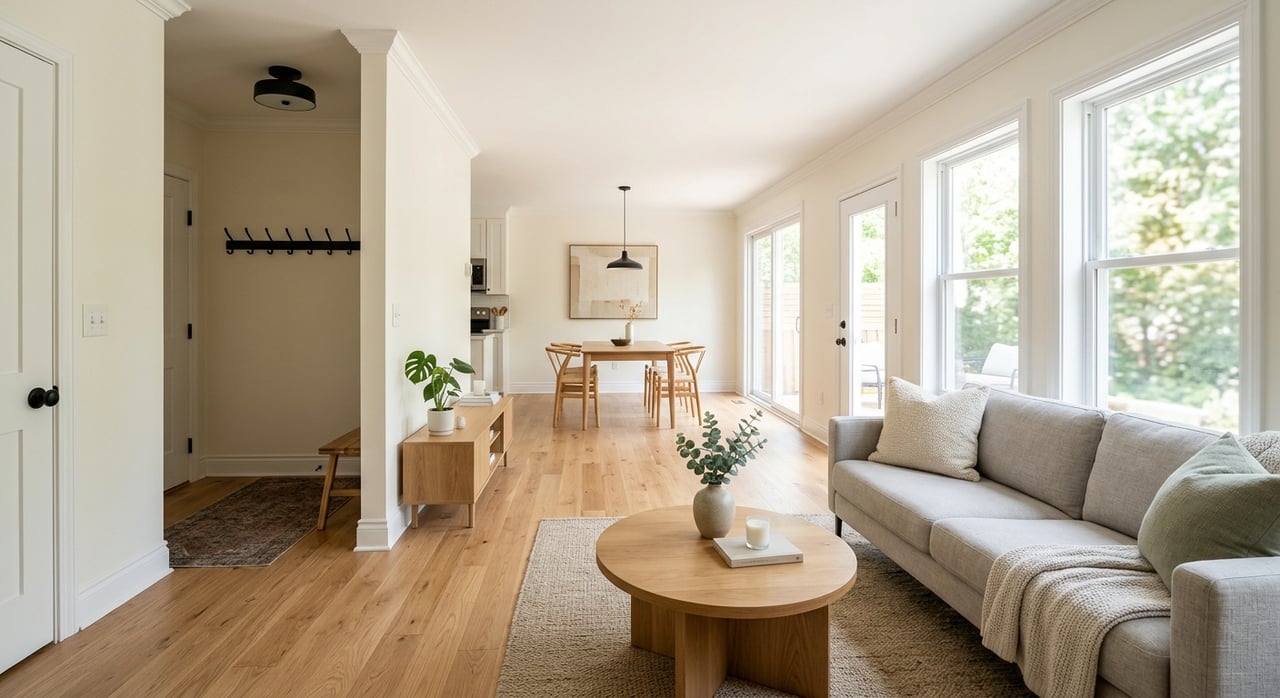
Wondering if you can buy a home in Frostburg without making multiple trips to town? The short answer is yes, but the process works best when you pair digital tools with strong local guidance. If you are relocating, buying an investment property, or trying to move quickly from out of the area, understanding how remote home buying works can help you avoid delays and surprises. Let’s dive in.
How remote home buying works
Remote home buying in Frostburg usually follows the same big milestones as any purchase: search, tour, offer, inspections, financing, closing, and recording. The difference is that more of those steps happen through video, electronic documents, and coordinated local support.
In Maryland, many of the records and closing steps buyers need can be handled online. That makes it possible to complete much of the transaction from a distance, especially when you have a local real estate professional helping you verify details on the ground.
Start with virtual search tools
Your home search will often begin with online listings, live video tours, and recorded walk-throughs. These tools help you narrow your options before deciding which properties deserve deeper review.
For remote buyers, video is useful, but it should not be the only source of information. You also want access to public records, past deed information, and tax details so you can compare what you see online with the property’s official history.
Maryland makes deed research more accessible than many buyers expect. According to the Maryland courts land records guidance, deeds are public records and can be viewed online through Maryland Land Records, with SDAT used to help locate deed reference information by property address.
What to verify early
Before you get too far into a remote purchase, it helps to confirm a few basics:
- Property address and legal description
- Deed reference information
- Whether the home is inside Frostburg city limits
- Whether city taxes may apply
- Whether the property may fall within the historic district
These early checks can save time later, especially if you are comparing multiple homes from out of town.
Know Frostburg-specific factors
Frostburg is a smaller city, but it has details remote buyers should take seriously. The city’s community overview notes Frostburg’s size, elevation, and population, and it also points to the city’s role as home to Frostburg State University.
That matters because housing needs can vary depending on location, property age, and intended use. A buyer looking for a primary residence may focus on layout and condition, while an investor may care more about maintenance history, utility setup, and closing coordination.
Historic district rules matter
Frostburg also has a designated historic district. Per the city’s historic district page, some exterior changes visible from a public street may require a Certificate of Appropriateness before work begins.
Minor painting and routine maintenance generally do not require design review, but additions, fences, driveways, demolition, and similar work often do. If you are buying remotely and planning updates, this is something to review before closing, not after.
Make your offer with clear expectations
Once you find the right property, the offer and contract stage can also be handled remotely. Electronic signatures and digital communication make it easier to move quickly, even if you are not in Maryland.
At this stage, you should pay close attention to seller disclosures or disclaimers. The Maryland Real Estate Commission consumer guidance explains that a seller may choose to disclose or disclaim the property’s condition information, so you need to review those forms carefully for hazards, latent defects, and other material facts.
It is also important to understand that the sales contract is not the same as the deed. Maryland courts note that the deed is the document that actually transfers legal ownership.
Inspections matter even more remotely
When you cannot be at every showing in person, inspections become even more important. A virtual tour can help you judge layout, finishes, and general condition, but it cannot replace a trained in-person inspection.
This is especially true in a market like Frostburg, where older housing stock and historic district considerations may affect future repairs or exterior changes. Even if a home looks great on camera, you still want a physical inspection to help uncover issues that may not show up on video.
Why due diligence is so important
A strong remote buying process usually includes:
- A thorough home inspection
- Careful review of seller disclosures or disclaimers
- Review of tax and assessment history
- Verification of any city-related utility or payoff requirements
- Early coordination with title or legal closing professionals
The Maryland courts land records information also makes clear that court clerks do not perform title searches or provide legal advice. That is one reason title and legal coordination still matter, even in a mostly digital transaction.
Understand taxes and closing costs
One of the biggest questions remote buyers ask is simple: what will closing actually cost? In Frostburg and Allegany County, the answer can include more than the purchase price and lender fees.
According to the Allegany County clerk fee schedule, recording costs and transfer taxes can include a $40 surcharge for all instruments, a state recordation tax of $3.50 per $500 for the first $1,000 of consideration, a state transfer tax of 0.5% or 0.25% for first-time Maryland homebuyers buying a principal residence, and a county transfer tax of 0.5% with a $50,000 owner-occupied exemption.
Property taxes to review
Remote buyers should also look beyond the current tax bill. For 2025 through 2026, SDAT lists Allegany County’s real property tax rate at 0.9750 and Frostburg’s municipal real property tax rate at 0.7000, with a Frostburg homestead credit cap of 6%, according to the Maryland tax rates document.
You should confirm whether a property is inside city limits, because that affects whether municipal tax applies. You should also know that assessed values can change over time, so last year’s bill does not always predict future tax costs.
The SDAT reassessment page for Allegany County shows that reassessments happen on staggered cycles. That makes it smart to review both assessed value and tax history before you finalize your budget.
Remote closings are possible in Maryland
Yes, you can often close remotely in Maryland. The state’s notary FAQ explains that remote online notarizations became legal on October 1, 2020, and authorized notaries can perform remote notarial acts using communication technology and approved vendors.
That gives out-of-area buyers a practical path to complete key closing documents without traveling in for every signature. Still, remote closing does not mean hands-off closing. You need all parties aligned on timing, payoff items, and final recording steps.
Frostburg utility and deed details
For properties in Frostburg city limits, there is an added layer many remote buyers do not expect. The city’s third-party tax and utility information request page says a tax certification must be requested before recording a new deed, and all city balances must be paid in full before that certification is released.
The same city guidance says the title company or lawyer should request a final water meter reading, the utility balance is collected at closing, and utility accounts stay in the owner’s name because utilities are treated as a lien against the property. For a remote buyer, that means utility coordination is not just a small closing detail. It is part of getting the deed recorded cleanly.
Plan for ongoing utility charges
Frostburg’s utilities page also notes that most properties within city limits receive water, sewer, and garbage service, with online payments, ACH, and e-billing available. That digital setup helps remote owners manage accounts after closing.
It also means you should budget for recurring city utility-related charges, even if the property may be vacant for part of the year or used seasonally. This is particularly important if you are buying from out of state and will not occupy the home full-time right away.
A simple remote buying timeline
Here is what the process often looks like in practical terms:
- Search online and review listings, videos, and public records.
- Tour remotely through live video or recorded walk-throughs.
- Verify local details like taxes, city limits, historic district status, and utility considerations.
- Submit an offer and review disclosures or disclaimers carefully.
- Complete inspections and any additional due diligence.
- Finalize financing and prepare closing documents.
- Close remotely when available through approved digital notarization tools.
- Record the deed after city and county requirements are satisfied.
How local help makes remote buying easier
The biggest challenge in remote home buying is not signing documents online. It is getting reliable local verification for the things a camera cannot fully show you.
That includes street-level context, utility payoff coordination, tax questions, historic district screening, and keeping the closing timeline on track with title professionals. In a market like Frostburg, that kind of support can make the difference between a smooth closing and a stressful one.
If you are considering a remote purchase in Frostburg, working with a local team that understands relocation and remote closings can help you move forward with more clarity and confidence. When you are ready, connect with Donny Carter for local guidance built around your timeline and goals.
FAQs
Can you buy a home in Frostburg without visiting in person?
- Yes. Remote buying is possible when the transaction is built around virtual tours, electronic documents, remote notarization, inspections, and careful local due diligence.
What should remote buyers check before making an offer on a Frostburg home?
- You should review the property’s public record history, tax details, city-limit status, possible historic district status, and any seller disclosures or disclaimers.
Do historic district rules affect Frostburg home buyers?
- They can. If a property is in Frostburg’s historic district, some exterior changes visible from a public street may require city approval before work begins.
Can you close remotely on a home purchase in Maryland?
- Often, yes. Maryland allows remote online notarization through authorized notaries using approved communication technology.
What closing costs are important for Frostburg and Allegany County buyers?
- Buyers should plan for applicable recordation taxes, transfer taxes, recording surcharges, and any city utility balances or tax certification items that must be cleared before deed recording.
Do Frostburg city utilities matter during a remote closing?
- Yes. For city properties, utility balances and final meter readings can affect closing coordination, and all city balances must be paid before tax certification is released for deed recording.