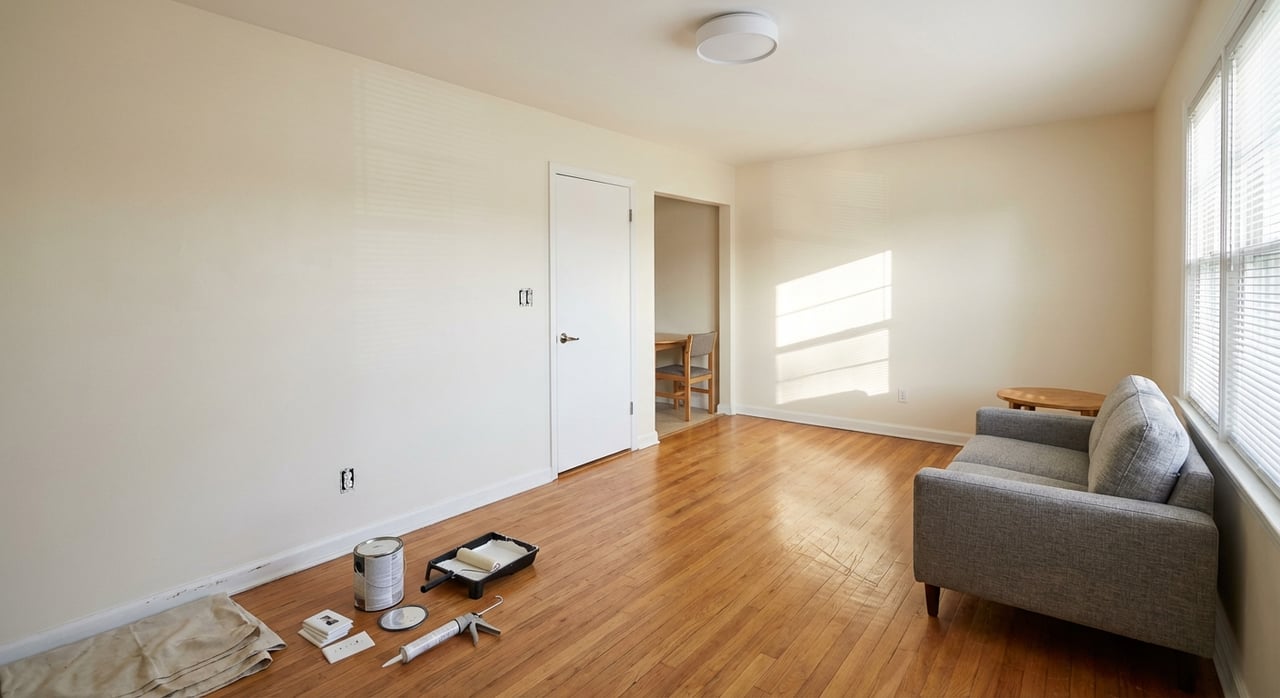
Finals end, keys change hands, and the clock starts. If you own student rentals in Frostburg, you know May and June can make or break your next lease year. With the right plan, you can move from move-out to rent-ready fast, pass city inspection, and capture peak demand without overspending. This guide gives you a clear calendar, a compliance checklist, a practical 4-week plan, and the smartest updates for value. Let’s dive in.
Know the Frostburg turnover clock
Frostburg State University’s Spring 2026 term runs Jan 26 to May 20, so late May through early summer is your prime turnover window. Use the university academic calendar to set nonrenewal deadlines, schedule move-out inspections, and plan vendor work. List by late April or early May to catch returning students and guarantors who sign ahead of summer. Aim to finish make-ready by early June to ride the height of search activity.
If you miss that window, you can still lease, but expect a smaller applicant pool and more price sensitivity. Tight scheduling is your friend. Hold vendor slots in advance so you are not stuck waiting on painters, cleaners, or locksmiths when demand peaks.
Licensing, inspections, and legal must-dos
Start with compliance. Inside Frostburg city limits, any non-owner-occupied rental must be licensed and periodically inspected under the City Rental Housing Code. Out-of-area owners living beyond a 25-mile radius must name a local Owner’s Agent. Review the city’s requirements and inspection cycle on the Frostburg rental program page.
Filing early saves money and avoids citations. The City’s 2026 fee schedule sets $40 per unit if paid by Feb 1, $50 by Mar 1, $100 by Apr 1; after Apr 1, the base fee plus a $250 citation per unit applies. Build these deadlines into your annual calendar and file before the rush. See the current form for details and dates on the rental license application.
Plan for inspection items that commonly trigger rechecks. Frostburg’s checklist highlights working interconnected smoke alarms, carbon monoxide detectors where applicable, GFCI protection in wet areas, safe egress, properly mounted fire extinguishers in kitchens, secure handrails and guardrails, and safe electrical, plumbing, and heating systems. The checklist also references parking and occupancy standards that matter in student rentals. Make these non-negotiable. Review the city inspection checklist before you start work.
Handle deposits by the book. Maryland law caps security deposits at two months’ rent and requires you to return deposits with an itemized statement within 45 days of lease end. Document condition and deductions carefully to avoid penalties. See the statute summary for timing and accounting rules in Maryland Real Property § 8-203.
Account for pre-1978 housing rules. If your property predates 1978, federal lead-based paint disclosure and lead-safe renovation practices apply when you disturb paint during turnover. Certified firms and extra testing may add time to your schedule. Learn the essentials in the EPA’s Renovation, Repair and Painting (RRP) program.
A practical 4-week make-ready plan
You can turn light jobs in 7 to 10 days and larger projects in 2 to 6 weeks, depending on scope and vendor availability. Industry benchmarks put average make-ready costs near $2,500 as a planning figure, though your budget will vary by size, condition, and age of the property. For timing and cost context, see PropertyMeld’s overview of typical make-ready durations and budgets.
30–45 days before move-out
- Send move-out instructions. Clarify cleaning standards, key return, trash rules, and utilities shutoff. Include how to avoid junk fees.
- Offer renewals early if appropriate. Lock in returning tenants before the rush.
- Pre-book vendors. Hold tentative slots with cleaners, painters, flooring installers, locksmiths, and any RRP-certified firm you may need.
- Confirm admin items. Check that your rental license status and inspection cycle are current and that your Owner’s Agent is on file if required.
Move-out day
- Collect keys and do a preliminary walkthrough. Take timestamped photos and note damage or missing items.
- Order essentials. If appliances or flooring need replacement, place orders now to beat lead times.
- Remove trash and large items. Clear the space so vendors can start immediately.
Days 1–3: Safety and systems first
- Tackle code and habitability. Test and replace smoke and CO alarms, add GFCI protection in wet locations, verify egress, check handrails, and confirm heat, hot water, and plumbing function per code. Use the city checklist as your guide.
- Handle small repairs. Fix leaks, outlets, switches, and lighting to stabilize the unit.
- Scope lead-safe work if applicable. If the home is pre-1978 and you will disturb paint, schedule certified contractors and plan for clearance testing.
Days 3–7: Clean, paint, and floors
- Deep clean. Professional move-out cleans for small units often run $150 to $400 depending on condition. Book cleaning early because it gates final photos and showings. See typical ranges in this cleaning cost guide.
- Paint for a fast refresh. Neutral, durable interior paint has a high visual payoff for a moderate cost. Typical interior paint ranges run about $1 to $3 per square foot or $350 to $850 per room depending on scope. For estimates, see interior painting cost factors.
- Replace worn flooring strategically. In kitchens, baths, or high-traffic areas, consider LVP for durability and easy cleaning. Installed costs often land in the mid single digits per square foot, with local bids varying. For an overview of LVP pricing, review this vinyl plank cost breakdown.
Days 8–10: Finish and list
- Final clean and punch list. Swap HVAC filters, test appliances, replace batteries in alarms, and confirm all lights and outlets work.
- Rekey or program locks. Smart deadbolts can reduce future rekey trips, especially in multi-tenant houses.
- Photos and listing. Capture bright, accurate images and publish while interest is highest. If your inspections are current and everything passes your internal check, you can schedule move-ins the same week.
Budgeting: updates that pay first
Put your dollars where they solve problems and speed leasing. In student rentals, cleanliness, safety, and durability are what win. Here is a practical priority list with planning ranges.
Code and habitability fixes. Smoke and CO alarms, GFCI, safe egress, solid handrails, and working heat, hot water, electrical, and plumbing come first. These items drive inspection outcomes and tenant safety.
Deep cleaning and targeted paint. A reliable deep clean often costs in the low hundreds. Touch-ups can carry a unit far, but a neutral full-room refresh in living areas and bedrooms is often worth it. Typical paint budgets run $1 to $3 per square foot or $350 to $850 per room, depending on scope. See painting cost factors.
Durable flooring where it counts. Where carpet is worn or unsanitary, LVP is a strong, water-resistant choice that is easy to maintain. Installed costs often fall in the mid single digits per square foot, though local bids vary. Review common ranges in this LVP cost guide.
Smart, tenant-friendly operations. Rekeying is inexpensive per cylinder, and smart deadbolts can reduce friction at move-in and cut future rekey costs. LED bulbs and simple, durable fixtures reduce maintenance and improve showings.
Appliances by need or clear ROI. Replace stoves or fridges when they fail or when the upgrade will help you reach top-of-market rent based on local comps. Consider scratch-and-dent or used options from local suppliers to manage capex in student properties.
Keep a contingency. Set aside a few hundred dollars for small carpentry, plumbing surprises, and quick parts runs.
Pricing and demand context
Student demand is meaningful and concentrated in Frostburg, with enrollment above roughly 4,100 in Fall 2024 feeding the off-campus market. Treat enrollment trends as a leading indicator of demand and verify the latest term numbers before pricing next year’s leases. Use current listings and local comps to set rent and to test whether an upgrade will move you to the top of available options.
Because market data sources often disagree on exact rent levels and availability, rely on real-time local comparisons and the quality of your finish. Clean, safe, functional units that present well in late spring usually lease faster and at firmer prices.
Quick owner checklist
- Check the FSU calendar and set renewal and nonrenewal deadlines tied to finals and move-out.
- Confirm your rental license status, file fees early, and schedule inspection if due.
- Pre-book cleaners, painters, flooring installers, and an RRP-certified contractor if pre-1978 work may disturb paint.
- On move-out day, collect keys, document condition with photos, and order any long-lead items.
- In week one, complete code and safety tasks, small repairs, and cleaning.
- Refresh paint and floors where it matters, then rekey, photo, and list by early June.
- Return security deposits within 45 days with itemized statements and documentation.
Work with a local team that knows student rentals
You do not need to navigate Frostburg’s timelines and checklists alone. Our team pairs local know-how with practical, budget-minded guidance for student properties, from pricing and marketing to inspection prep and vendor coordination. If you want a faster, cleaner turnover and confident compliance, connect with Donny Carter to talk strategy for your next make-ready.
FAQs
When do Frostburg student rentals usually turn over?
- Most student move-outs and move-ins cluster around late May and early summer based on the FSU calendar; plan your marketing and make-ready to finish by early June. See the academic calendar.
What licenses and inspections do I need within Frostburg city limits?
- Non-owner-occupied rentals must be licensed and are inspected on a recurring cycle; out-of-area owners must name a local Owner’s Agent. Start with the city rental program.
What are the Frostburg rental license deadlines and fees for 2026?
- File by Feb 1 for $40 per unit, by Mar 1 for $50, by Apr 1 for $100; after Apr 1 the base fee plus a $250 citation per unit applies. See the 2026 license form.
What does the city look for during inspection of student rentals?
- Expect verification of smoke and CO alarms, GFCI outlets, safe egress, mounted kitchen fire extinguishers, secure handrails, and safe electrical, plumbing, and heating systems. Review the inspection checklist.
How fast should I complete a make-ready between student leases?
- Aim for 7 to 10 days for light turns and 2 to 6 weeks for larger scopes; pre-book vendors for May and June slots. See timing norms in this make-ready guide.
What cleaning and cosmetic costs should I expect at turnover?
- Many small-unit deep cleans run about $150 to $400, paint often ranges $1 to $3 per square foot or $350 to $850 per room, and durable flooring like LVP varies by bid. See ranges for cleaning and painting.
What are my obligations for security deposits in Maryland?
- Deposits are capped at two months’ rent and must be returned with an itemized statement within 45 days of lease end; document condition and deductions carefully. See Maryland § 8-203.
Do I need to follow lead-safe rules for older Frostburg rentals?
- If your property was built before 1978 and you will disturb paint, federal RRP rules require certified renovators and lead-safe practices; plan extra time for testing and clearance. Learn more from the EPA RRP program.