Wondering why some homes in Cumberland feel instantly appealing while others sit longer than expected? In a market where buyers are paying close attention to value, your home's presentation can shape how quickly it earns serious interest. The good news is that you do not need a major remodel to make a strong impression. With the right prep, you can help buyers picture themselves at home and head into your sale with more confidence. Let’s dive in.
Why prep matters in Cumberland
In Cumberland, recent market trackers placed home prices in the mid-$100,000s, with reported median sale and sold prices around the low to mid-$150,000s. Homes have also been taking roughly 55 to 95 days to sell, depending on the source and time period. That means first impressions matter, and visible neglect can work against you.
At this price point, buyers are often looking closely at condition, cleanliness, and whether a home feels move-in ready. Many sellers get better results by focusing on presentation and small repairs instead of pouring money into expensive updates. A polished, well-cared-for home can help buyers feel more comfortable making an offer.
Start with the biggest wins
Declutter every visible space
Decluttering is one of the simplest ways to make your home feel larger and calmer. When rooms are crowded with furniture, collections, or extra storage items, buyers can struggle to see the space itself. A lighter, more open look helps them focus on the home rather than your belongings.
Pack away personal photos, countertop extras, and anything that makes the room feel busy. If possible, remove bulky furniture that interrupts flow. Closets also matter, so aim to keep them about half full so they appear more spacious.
Clean like photos happen tomorrow
A spotless home sends a clear message that the property has been cared for. Buyers notice dust, stained surfaces, and lingering odors quickly, especially during showings and in listing photos. Deep cleaning is often one of the highest-value steps you can take before going live.
Focus on kitchens, bathrooms, floors, windows, and light fixtures. Fresh towels, clean bedding, and tidy surfaces can make the whole home feel more inviting. Keep the look simple, bright, and neutral.
Neutralize the look
You want buyers to imagine their own style in the home. Neutral paint colors and simple decor help create that blank-canvas effect. This does not mean stripping away all warmth, but it does mean reducing distractions.
If a room has bold paint, heavy patterns, or very personal design choices, consider toning it down. Small changes like fresh bedding, plain shower curtains, or simpler accessories can make a big difference. The goal is a clean, comfortable look that appeals to a wide range of buyers.
Focus on the rooms buyers notice most
You do not need to stage every room to make an impact. National staging data points to a few rooms that matter most to buyers and agents. If your time or budget is limited, start there.
Living room
The living room is often where buyers picture everyday life. It should feel open, comfortable, and easy to arrange. Clear out extra furniture, straighten pillows, and create a simple layout that shows off the room’s size and flow.
Primary bedroom
Buyers tend to respond well to a primary bedroom that feels restful and uncluttered. Make the bed neatly, reduce furniture if the room feels tight, and keep nightstands and dressers mostly clear. Soft, clean linens can help the room feel calm and move-in ready.
Kitchen and dining area
The kitchen and dining area do a lot of work during showings. Clear counters, remove magnets and papers, and put away small appliances you do not use every day. In the dining area, a simple table setting or a clean, open tabletop can make the space feel more usable.
Bathrooms and outdoor space
Bathrooms should look bright, fresh, and very clean. Put away personal products, hang clean towels, and keep surfaces clear. Outside, even a modest yard or porch can help create an inviting first impression when it looks neat and maintained.
Make curb appeal count
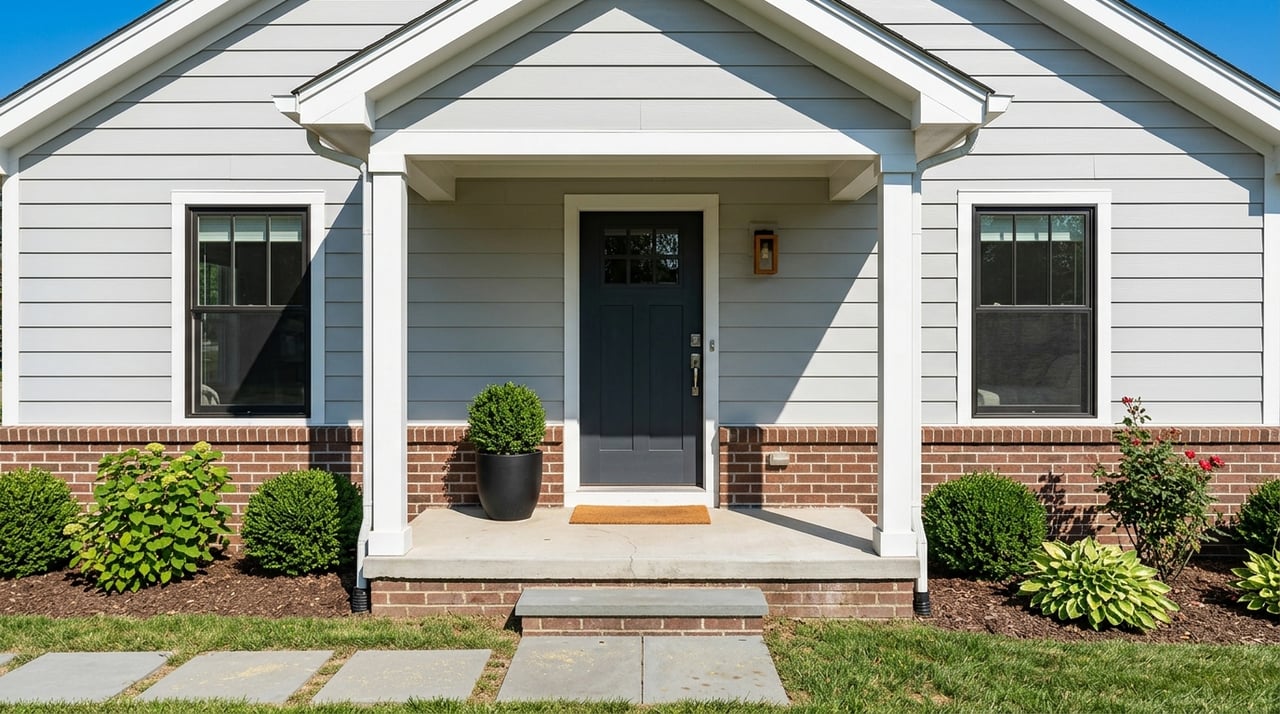
Before buyers ever step inside, they are already forming an opinion. Your exterior matters in online photos, drive-bys, and showing-day arrivals. In many cases, small outdoor improvements can do more than bigger indoor spending.
Start with the basics:
- Mow and edge the lawn
- Trim overgrown shrubs
- Sweep porches and walkways
- Add a clean front door mat
- Place a few simple potted plants near the entry
- Remove anything broken, rusty, or visibly worn
You do not need elaborate landscaping. You just want the home to look cared for, accessible, and photo-ready.
Fix problems buyers will notice
Staging helps, but it cannot hide issues that buyers will spot right away. Peeling paint, damaged trim, stained ceilings, loose hardware, and signs of moisture can quickly become concerns. In a city with an older housing stock, these details can carry even more weight.
Cumberland’s 2025 to 2029 Consolidated Plan reported that 87.4% of occupied housing units were built before 1979, and 65% were built before 1959. Because many homes are older, buyers may pay close attention to paint condition, windows, moisture, and general maintenance. Taking care of visible issues before listing can reduce friction later.
Prioritize smart repairs
If your budget is limited, focus first on repairs that improve confidence and reduce likely objections. Think safety, function, and condition before cosmetic extras. A buyer may forgive dated finishes more easily than obvious maintenance problems.
Good places to start include:
- Peeling or chipped paint
- Dripping faucets or running toilets
- Missing caulk around tubs or sinks
- Sticking doors or loose handles
- Burned-out light bulbs
- Damaged screens or broken panes
- Musty areas or visible moisture concerns
Be careful with older-home updates
If your home was built before 1978, pause before jumping into sanding, scraping, or other paint-disturbing projects. Federal law requires disclosure of known lead-based paint or lead-based paint hazards before most sales or leases of pre-1978 homes. Renovation, repair, and painting work that disturbs lead paint also needs to follow lead-safe practices.
That does not mean you should avoid all prep. It means you should be thoughtful before starting cosmetic work that could create a bigger issue. If you know your home has older paint, plan carefully and keep records.
Check permits before listing
In Cumberland, documentation can matter more than many sellers expect. The city warns that unpermitted improvements can complicate a sale, and many lenders want proof of final inspection. If you have completed work on the home, it is wise to gather receipts, permit records, and any final approvals before the listing goes live.
This is especially important if your updates involved structural changes, electrical work, plumbing, windows, or major exterior improvements. Buyers and lenders may ask questions, and having paperwork ready can help keep the transaction moving.
Historic district rules matter
If your property is in Cumberland’s locally zoned historic district, exterior changes may require a Certificate of Appropriateness review in addition to building or occupancy permits. The city notes that this can apply to painting, siding, windows, fences, porches, doors, awnings, additions, and demolition. If you are thinking about freshening the exterior, check first before making changes.
Spend where it counts
You do not need to overspend to make buyers fall in love. According to the 2025 staging report, the median spend for a professional staging service was $1,500, while seller’s-agent staging had a median cost of $500. That makes DIY decluttering, cleaning, and selective improvements a realistic option for many Cumberland sellers.
Before paying for bigger projects, ask yourself whether the update will truly improve how the home shows or reduce buyer concerns. In many cases, your best return comes from simple presentation, strong photos, and basic repairs. Expensive upgrades may be harder to recapture in a market centered around affordability and value.
A simple prep plan for Cumberland sellers
If you want a clear path forward, use this order of operations:
- Declutter and depersonalize
- Deep clean the entire home
- Tidy curb appeal and the front entry
- Focus staging on the living room, primary bedroom, kitchen, dining area, and bathrooms
- Fix visible condition issues
- Gather permit records, receipts, and improvement documents
- Review any older-home or historic-district concerns before starting major cosmetic work
- Get the home ready for photos and showings
This approach helps you spend wisely while improving the parts of your home buyers are most likely to notice.
When you prepare your Cumberland home with care, you are not just making it look better. You are making it easier for buyers to feel confident, picture daily life there, and move closer to an offer. If you want practical guidance on what to fix, what to skip, and how to present your home at its best, connect with Donny Carter for local, straightforward advice.
FAQs
What should I do first before listing a home in Cumberland?
- Start by decluttering, deep cleaning, and getting the home ready for photos before deciding on larger projects.
Do I need to stage every room in my Cumberland home?
- No. The strongest focus areas are the living room, primary bedroom, dining room, kitchen, bathroom, and visible outdoor space.
Is professional staging worth it for a Cumberland home sale?
- It can be, but it is not always necessary. Many sellers get strong results from DIY decluttering, cleaning, and targeted staging.
What repairs matter most to buyers in older Cumberland homes?
- Buyers often notice peeling paint, moisture issues, worn windows, and general deferred maintenance, so visible condition problems should come first.
What should Cumberland sellers know about permits before listing?
- The city warns that unpermitted work can complicate a sale, and many lenders want proof of final inspection, so gather records before listing.
What should I know about pre-1978 homes in Cumberland?
- If your home was built before 1978, known lead-based paint or lead hazards generally must be disclosed before most sales, and paint-disturbing work should be handled carefully.