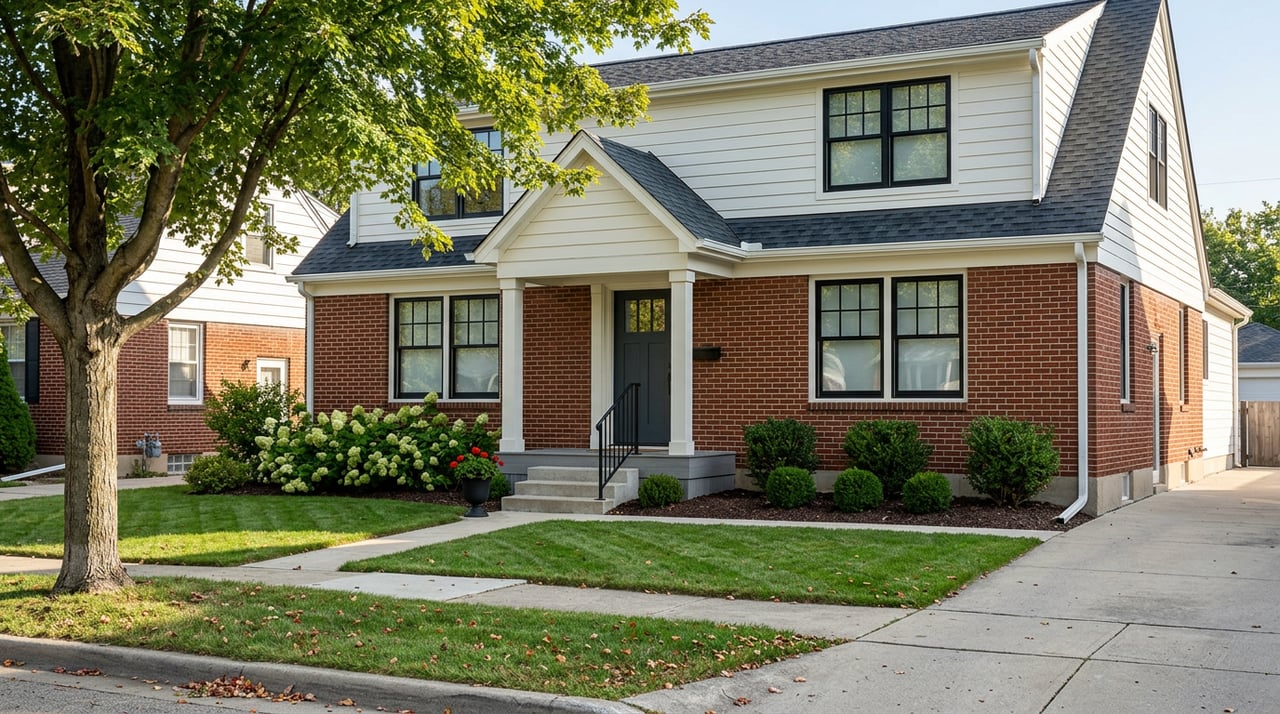
Thinking about a move where mountain views, trail life, and a reasonable mortgage can all fit your budget? If Cumberland is on your list, you’re not alone. Relocating comes with a lot of unknowns, from what homes really cost to how you’ll spend your weekends. In this guide, you’ll get a clear look at housing, neighborhoods, commuting, and lifestyle basics so you can decide if Cumberland fits your next chapter. Let’s dive in.
Cumberland at a glance
Cumberland is a small Western Maryland city of about 18,600 people, with a higher share of older residents and a steady base of education and health services jobs. You can confirm population and community profile details in the latest U.S. Census QuickFacts for Cumberland. Explore the Census snapshot for Cumberland.
Many people consider Cumberland for its affordability compared with Maryland’s bigger metros. While you’ll see different numbers depending on the data source and month, the takeaway is consistent: housing costs are a major reason the overall cost of living feels more manageable here than in the Baltimore or DC corridor.
What homes cost right now
You’ll notice a wide range in published price metrics for Cumberland. Market pages that track recent closed sales have shown very low single‑month medians at times, including a recent monthly median near $71,000. This reflects a small market where a handful of inexpensive closings can move the median sharply in a given month.
By contrast, smoothed valuation and list-price measures often land in a higher mid-market band, around $160,000 to $168,000 in recent snapshots. These figures compress neighborhood differences and include longer-running trends, which can better represent a “typical” target for a move‑in‑ready home.
What this means for you:
- Entry-level opportunities exist under $100,000, often older homes, smaller footprints, fixers, estates, or manufactured homes.
- Renovated properties in historic or in-demand areas commonly list in the mid-hundreds of thousands within that ZHVI-style band.
- Because the sample is small, compare a 6–12 month trend with any “last month” median before you set expectations.
How to read the numbers
- Use more than one measure. A single-month median can swing in a small city. Smoothed indices help you see the middle of the market.
- Expect variability by neighborhood. Downtown and historic corridors sometimes post higher medians than the citywide number.
- Plan for negotiation time. Homes here often spend longer on market than in major metros, and sale-to-list ratios commonly sit below 100 percent. That can create room to negotiate or to win concessions.
Common property types and neighborhoods
Cumberland’s housing stock has personality. Historic brick and frame homes are common, and several areas carry National Register historic designations. If you’re drawn to architectural character, start with the downtown district listings and the Washington Street corridor.
- Downtown Cumberland Historic District features a mix of late-19th and early-20th-century commercial-residential buildings and nearby homes. Review the National Register listing for Downtown Cumberland to understand the area’s historic context.
- Washington Street Historic District showcases distinguished residential architecture set on a prominent ridge west of downtown. See the Washington Street Historic District listing for background.
Outside these corridors, you’ll find:
- South Cumberland with smaller lots and mixed property styles.
- West Side neighborhoods and suburban-style fringes near I‑68 with more mid-century to newer construction.
- Manufactured homes and small multi-family buildings in select pockets, which add to the range of price points.
If you’re eyeing historic homes, keep in mind that older building systems are common. Electrical capacity, oil or steam heating, and plumbing upgrades may be part of your budget. Some locations have preservation overlays or design review, so plan ahead if you want to change exteriors or windows.
Everyday life and essential services
- Healthcare access. UPMC Western Maryland is the primary regional hospital and a major local employer. This is a key benefit if you value nearby acute care. Learn more at the UPMC Western Maryland site.
- Colleges and continuing education. Allegany College of Maryland has a downtown presence and a nearby main campus, which adds vibrancy and supports local services. Get a feel for student and community resources via Allegany College of Maryland.
- K–12 schools. Public schools are served by Allegany County Public Schools. Always verify current boundaries, programs, and enrollment info directly with the district. Start with the Allegany County Public Schools site.
For shopping and daily errands, Cumberland functions as a regional commercial center for Western Maryland. You’ll find grocery, pharmacy, basic retail, and services locally. For specialty shopping, residents often drive to larger markets.
Outdoor recreation highlights
One of Cumberland’s greatest strengths is easy access to the outdoors.
- Great Allegheny Passage and C&O Canal link. Cumberland is the junction where the Great Allegheny Passage meets the C&O Canal towpath, creating a continuous car-free corridor between Pittsburgh and Washington, DC. It is a signature asset for cyclists and hikers. Learn about the connection on the Maryland DNR GAP page and plan segments via the C&O Canal National Historical Park.
- Rocky Gap State Park. About 7–10 miles from downtown, Rocky Gap offers Lake Habeeb, hiking, a resort, golf, and a casino. It is a quick getaway for fishing, paddling, or a sunset walk. Explore amenities at Rocky Gap State Park.
- Green Ridge State Forest. If you want deep-woods hiking, primitive camping, mountain biking, or horseback riding, this large forest sits just east of town. See the Green Ridge visitor guide and map to plan your first outing.
- Western Maryland Scenic Railroad. Seasonal rides and special events add to downtown’s tourist draw and give you an easy way to show visiting friends the area’s scenery.
Cultural events center around Canal Place, galleries, and seasonal markets. Programming changes year to year, but the calendar reliably offers farmers markets and community festivals when the weather warms up.
Getting around and commuting
Most residents drive. Average commute times for the Cumberland micropolitan area typically sit in the low-to-mid 20 minute range, with the city proper a bit shorter. For a data point on regional travel times, see Maryland’s ACS-based tables on the state planning site: Maryland commute time tables for the Cumberland area.
Regional access is straightforward:
- Cumberland to Pittsburgh is about 106 miles, roughly a 2 hour drive in normal conditions.
- Cumberland to Washington, DC is about 137 miles, typically 2 hours 10 to 30 minutes depending on route and traffic. For a quick planning check, see Travelmath’s drive-time estimate to DC.
For non-driving options, Cumberland is on Amtrak’s Capitol Limited line with daily service to Washington and Pittsburgh. Travel times are longer than driving, so rail is best for occasional trips rather than daily commuting. You can review the schedule on the Amtrak Capitol Limited timetable.
Practical buyer checklist
Older stock, variable pricing, and specific location factors make a quick checklist helpful. As you tour homes, consider the following:
- Inspect for age-related systems. Many houses date to the late 1800s or early 1900s. Ask inspectors to focus on roof, foundation, chimney, electrical capacity, and heating systems. If you plan exterior changes in a historic district, check for any preservation review. The Downtown Cumberland Historic District listing is a good starting point for context.
- Check flood risk and insurance. Properties along the C&O Canal or near the Potomac can sit in flood-prone areas. Review FEMA flood maps, ask your insurer for quotes early, and look into local floodplain rules. The Park Service has documented flood history along the canal, which is helpful background as you evaluate homes. Read more in the C&O Canal’s administrative history.
- Verify taxes and utilities. Property-tax rates and fees can change each year. Confirm effective rates with Allegany County and the City of Cumberland. Ask about utility providers for electric, water and sewer, and broadband at specific addresses.
- Plan for renovations or target move-in-ready. Inventory includes both bargain fixers and nicely updated homes. If you’re coming from a higher-cost metro and want turnkey condition, be ready to act quickly on renovated listings in your preferred neighborhood.
- Use multiple pricing lenses. Compare single-month medians with rolling 6–12 month trends and current active listings to set your budget and bidding strategy.
Is Cumberland a fit for you?
You may love Cumberland if you want a smaller city with historic neighborhoods, mountain landscapes, and a true trail town identity. The housing market offers real value, especially if you’re open to updating an older home or if you want to stretch your buying power without giving up outdoor access. Daily life is practical and car-forward, with essential services in town and bigger-city amenities a couple of hours away.
If that sounds like your pace, let’s talk about how your wish list lines up with today’s listings and neighborhood rhythms. Whether you need remote showings, relocation help, or a local pricing game plan, you don’t have to figure it out alone. Reach out to Donny Carter to start your move with a local partner who knows this market inside and out.
FAQs
What should I expect to pay for a home in Cumberland?
- Expect a wide range. Recent single‑month sale medians have dipped near $71,000, while smoothed valuation measures often land around $160,000 to $168,000. Renovated homes in desirable areas tend to price in the mid-hundreds of thousands.
Is Cumberland a good place for outdoor recreation?
- Yes. You can bike or hike for miles on the Great Allegheny Passage and C&O Canal, swim or paddle at Rocky Gap State Park, and explore deep forests at Green Ridge just outside town.
How long is the drive to larger cities from Cumberland?
- Plan about 2 hours to Pittsburgh and about 2 hours 10 to 30 minutes to Washington, DC in typical conditions. Weather and traffic can add time.
Does Cumberland have public transportation or rail service?
- Local bus options exist, but most residents drive. Amtrak’s Capitol Limited stops in Cumberland for daily service to Washington and Pittsburgh, which works best for occasional trips rather than daily commuting.
What do I need to know about buying an older home there?
- Many homes are late-19th to early-20th century. Budget for system updates, verify any historic-district guidelines before exterior changes, and use thorough inspections focused on roof, foundation, electrical, and heating.
Where can I learn about schools when moving to Cumberland?
- Allegany County Public Schools serves the area. Verify current boundaries, enrollment steps, and programs directly on the ACPS website before you choose a home.