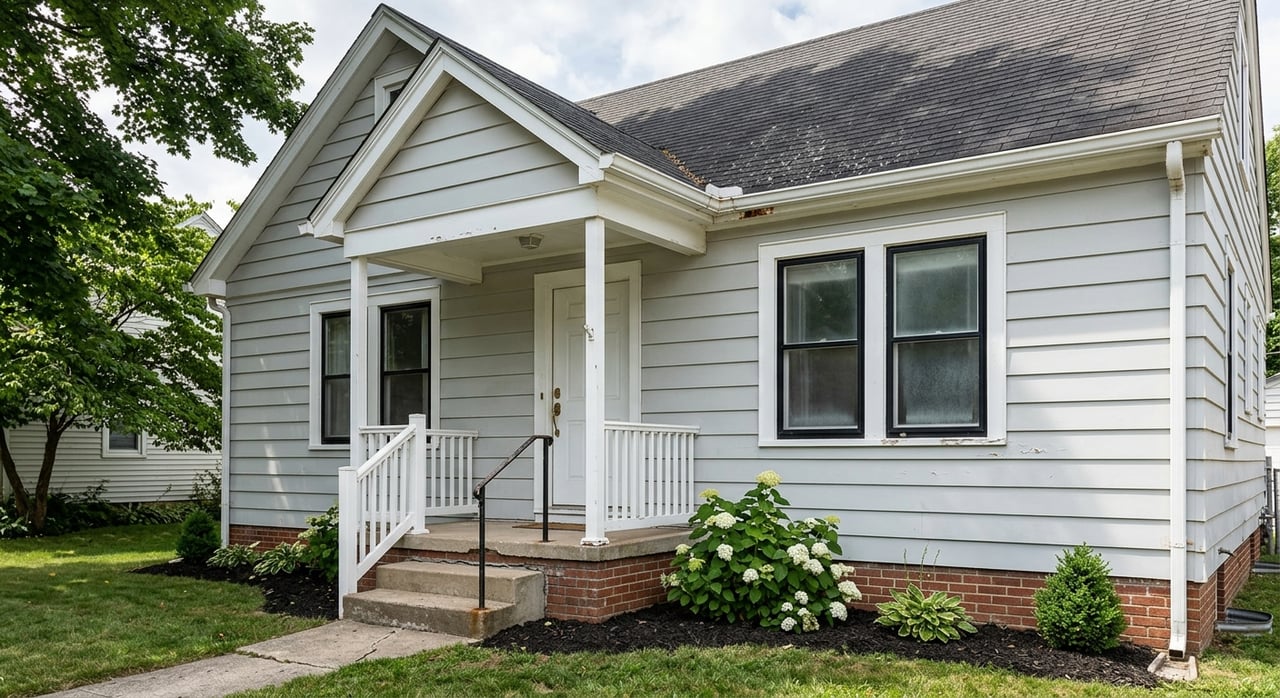
Thinking about buying a fixer-upper in Cumberland because the price looks hard to beat? You are not alone. In a market with many older homes, a lower purchase price can look like a smart way in, but the real question is whether the numbers, timeline, and repair scope still work once the project begins. This guide will help you weigh the pros, risks, financing options, and local programs that matter most in Cumberland. Let’s dive in.
Why fixer-uppers stand out in Cumberland
Cumberland is the kind of market where fixer-uppers naturally get your attention. According to the Maryland State Data Center housing profile, 48.2% of the city’s housing units were built in 1939 or earlier, which means older systems and deferred maintenance are common.
That local housing stock helps explain why a fixer-upper can be a realistic option here. Redfin reported a median sale price of $146,000 in February 2026, with homes taking about 70 days to sell and closing around 6% below list price on average. At the same time, Cumberland’s planning documents note that some homes available for purchase may require substantial rehabilitation, so the sticker price is only part of the story.
What a fixer-upper may really need
In Cumberland, the biggest repair issues are often not just cosmetic. Older homes may need updates to plumbing, electrical, heating and cooling, roofing, siding, gutters, windows, kitchens, bathrooms, or flooring. HUD’s 203(k) consumer guidance lists these as common eligible improvements under renovation financing.
That matters because a house with charm may also come with aging systems behind the walls. A fresh coat of paint and new fixtures may not be enough if the furnace is near the end of its life or the electrical service needs work. If you are looking at a fixer-upper in Cumberland, it helps to expect practical repairs first and cosmetic choices second.
Older homes can bring hidden costs
The City of Cumberland’s housing and community planning documents point to ongoing issues with vacant, abandoned, and substandard single-family properties. In simple terms, some homes may have been under-maintained for years before they hit the market.
That can lead to surprises after inspection. Water damage, outdated wiring, roof issues, or plumbing failures may not be obvious during a first showing. For many buyers, the key question is not whether repairs are needed, but whether the total cost still makes sense after those issues come to light.
Lead paint is a major factor
If the home was built before 1978, lead-safe renovation should be part of your planning. Cumberland’s Consolidated Plan says the city has a high concentration of housing with lead paint and notes the risk created by aging housing.
The EPA says renovation work in pre-1978 homes can create dangerous lead dust, and firms disturbing painted surfaces in those homes must be certified and use lead-safe practices. That can affect who you hire, how the work is done, and what it costs. In Cumberland, lead-safe compliance is not a minor detail for many fixer-uppers.
Permits matter more than many buyers expect
A fixer-upper budget should include permit costs and time. HUD states that permits are required before 203(k) work begins, and Cumberland’s permit page says permits are required for many residential alteration projects, including electrical and plumbing work, water and sewer connections, and a range of exterior projects.
Permits are not just paperwork. The city also warns that many financial institutions will not finance a purchase without proof of final inspection, which means unpermitted work can create financing issues now and resale issues later. If you buy a fixer-upper, you want to know not only what needs to be fixed, but also whether past work was properly approved.
When buying a fixer-upper makes sense
A fixer-upper in Cumberland can make sense when you are buying with a plan instead of just buying a lower list price. The strongest cases usually involve a clear repair scope, realistic contractor pricing, and enough savings or financing flexibility to handle surprises.
You may also find more opportunity here than in a newer-home market because Cumberland has an older housing stock and a range of homes that need updates. If you are comfortable with a project and you are not counting on instant move-in readiness, a fixer-upper may open the door to homeownership at a lower entry point.
Good signs to look for
A fixer-upper may be worth stronger consideration when:
- The needed work is well-defined
- The structure appears basically sound
- You have contractor bids before closing or early in due diligence
- The after-repair value still leaves room for costs and contingency
- You have financing that matches the scope of the work
- You can handle a slower move-in timeline if needed
When a fixer-upper may not be the right move
Not every bargain is a good deal. A fixer-upper can become stressful fast if the home needs major structural work, if utilities are not operable, or if you need to move in right away.
It may also be a weaker fit if your cash reserves are tight. In Cumberland, lead-safe rules, permit requirements, and possible historic review can all add time and cost. A lower purchase price only helps if it leaves enough room for the real cost of getting the home where it needs to be.
How to budget for a Cumberland fixer-upper
Your budget should go beyond the purchase price and visible repairs. Based on Fannie Mae HomeStyle guidance, renovation-related costs can include contingency reserves, renovation expenses, and even an escrow for mortgage payments during the renovation period in some cases.
A realistic budget may include:
- Purchase price
- Contractor bids
- Permits
- Inspections
- Appraisal and title-related costs
- Design or consultant fees if needed
- Temporary housing if the home cannot be occupied
- Mortgage-payment reserves during renovation
- A contingency reserve for unexpected issues
Plan for a contingency reserve
Contingency money is especially important in an older housing market. HUD’s 203(k) contingency guidance sets a reserve of 10% to 20% of financeable repair costs for homes 30 years or older, and 15% to 20% when utilities are not operable.
That does not mean every project will go over budget, but it does show how common unknowns can be in older homes. If you are considering a Cumberland fixer-upper, your plan should work even if the project costs more than the first estimate.
Financing options to compare
One of the biggest mistakes buyers make is assuming a regular mortgage will work for any property. In reality, standard financing often expects a home to already meet basic condition requirements.
HUD explains that an FHA appraisal can be conditioned on repairs or inspections if there are physical deficiencies affecting livability, soundness, or structural integrity. If the property is in poor enough condition, it may not qualify for regular FHA financing at all.
FHA 203(k) loans
The FHA 203(k) program is designed for buyers who want to finance both the purchase and the rehabilitation in one loan. HUD notes that Standard 203(k) is intended for major rehabilitation or repairs, while Limited 203(k) is for less expensive repair projects.
HUD also says 203(k) funding is based on the appraised value after the proposed improvements are completed. That can be helpful if the home’s current condition does not reflect what it could be after renovation.
Conventional renovation loans
Conventional options may also be available. Fannie Mae HomeStyle Renovation and Freddie Mac CHOICERenovation are designed for approved improvements and repairs, giving some buyers another route depending on lender guidelines and project scope.
The right loan depends on the house, the work needed, and your overall financial picture. Matching the financing to the project is one of the most important parts of buying a fixer-upper in Cumberland.
Local programs that may help
Cumberland does offer help that may offset some rehab costs. The city’s Home Rehabilitation Grant provides 50% matching funds up to $15,000 for improving a property within city limits that is uninhabitable in its current condition.
The city states that grant funds are released only after permits, inspections, and occupancy approval. That means the program may help, but you still need to be prepared for the upfront process and compliance requirements.
Historic district incentives
If the property is a certified historic structure in a designated district, there may be additional incentives. Cumberland’s financial incentives page says local, state, and federal historic preservation tax credits may be available, and Maryland’s Historic Revitalization Tax Credit can provide homeowners a 20% income tax credit for qualified rehabilitation expenditures, capped at $50,000 over 24 months.
However, the city also notes that some work in historic districts requires approval before construction begins, and some properties need a certificate of appropriateness. That extra step can add time to your project, so it is smart to confirm the review process early.
Questions to ask before you buy
Before you move forward on a fixer-upper in Cumberland, ask questions that help you understand the full project and not just the listing photos.
Consider asking:
- What repairs are visible, and what risks may be hidden?
- Were any past updates completed with permits?
- Will the home qualify for standard financing, or do you need a renovation loan?
- If the home was built before 1978, what lead-safe requirements could apply?
- Is the property in a historic district with added review requirements?
- What is your backup plan if costs rise or the timeline stretches?
The bottom line on fixer-uppers in Cumberland
A fixer-upper in Cumberland can be a smart buy if you go in with clear eyes. The city’s older housing stock, lower price points, and local grant or tax credit opportunities can create real value, but only if the repair scope, financing, permits, and safety requirements all fit your plan.
If you want a home with character and you are comfortable managing a project, the right fixer-upper could be worth it. If you need immediate occupancy or do not have room in your budget for surprises, a move-in-ready home may be the safer path. If you want help weighing your options in Cumberland, Donny Carter can help you look at the numbers, the condition, and the next steps with local insight.
FAQs
Should you buy a fixer-upper in Cumberland if you need to move in quickly?
- Probably not if the home needs major repairs or cannot be occupied right away, since permits, contractor scheduling, and renovation financing can all add time.
What repairs are common in Cumberland fixer-upper homes?
- Common needs often include plumbing, electrical, heating and cooling, roofing, siding, gutters, windows, flooring, and kitchen or bathroom updates, especially in older homes.
Do Cumberland fixer-uppers need permits for renovation work?
- Yes, many projects require permits, including residential alterations, electrical and plumbing work, water and sewer connections, and many exterior improvements.
Are lead paint rules important for older homes in Cumberland?
- Yes, especially for homes built before 1978, because renovation can create lead dust and certified firms must follow lead-safe practices when disturbing painted surfaces.
What loan options can help you buy a fixer-upper in Cumberland?
- Buyers may look at FHA 203(k), Fannie Mae HomeStyle Renovation, or Freddie Mac CHOICERenovation, depending on the property condition, repair scope, and lender requirements.
Are there local rehab incentives for fixer-uppers in Cumberland?
- Yes, qualifying properties in city limits may be eligible for Cumberland’s Home Rehabilitation Grant, and some historic properties may qualify for preservation-related tax credits.