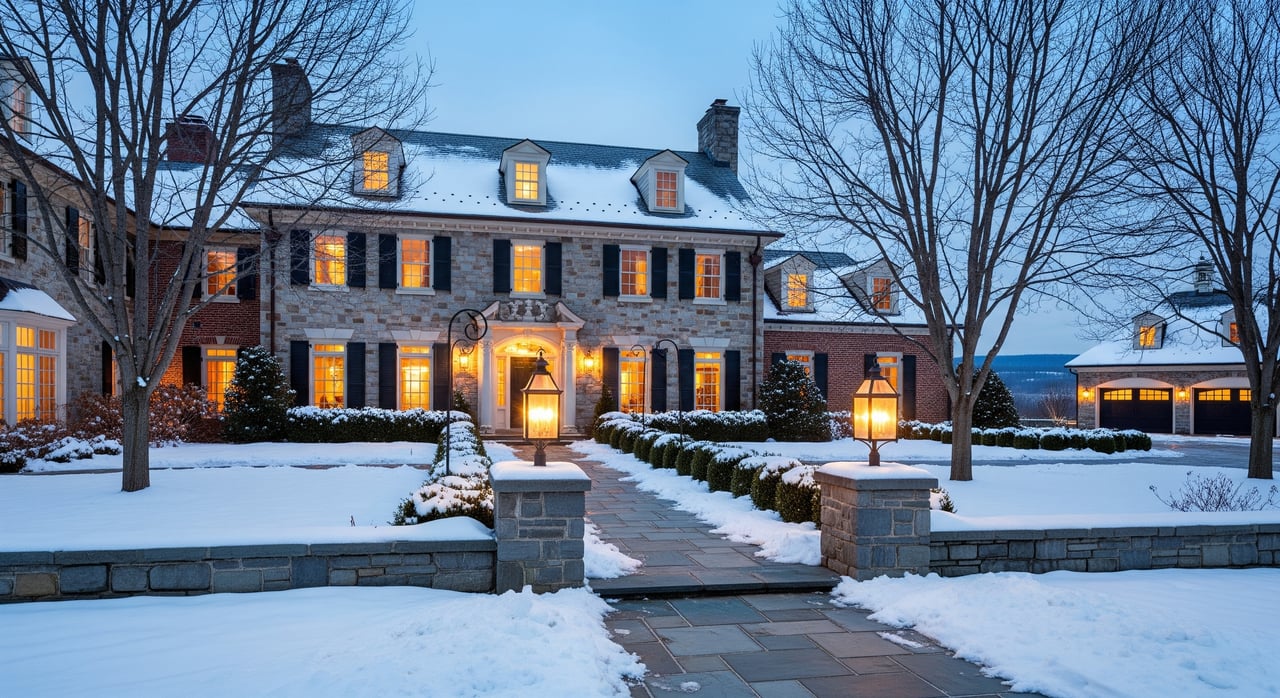
Wondering what your Frostburg home could sell for this winter? You are not alone. With shorter days, snow, and the holidays, timing your sale can feel tricky. The good news is that winter sales in Frostburg can still deliver strong results when you price smart, prep for the season, and understand today’s buyer pool.
In this guide, you will learn how to estimate your likely sale price, what truly drives value in our local market, and how to plan your net proceeds. You will also get a practical checklist to get winter-ready. Let’s dive in.
Frostburg’s winter market at a glance
Frostburg is a small university town anchored by Frostburg State University. That mix of students, university staff, and local households shapes demand for different property types, from single-family homes to small rentals and multi-bedroom houses near campus.
In winter, the buyer pool usually shrinks, but so does listing inventory. The buyers who are active tend to be more motivated due to job changes, relocations, or life events. Whether your price is the same as spring or slightly softer depends on inventory, demand, and how your home compares to recent sales.
What to watch this winter
- Median sold price and change compared with last winter.
- Active and new listings over the last 6 to 12 months.
- Median days on market and list-to-sale price ratio for the last 90 days.
- Sales volume by month to see true seasonality.
Local metrics from Bright MLS, Allegany County property records, and area brokerage reports will help you gauge where to position your price.
What sets your sale price
- Comparable sales. Recent nearby sales of similar size, age, and condition are the clearest indicator of value. In slower seasons, you may expand to 6 months of comps.
- Condition and maintenance. Heating systems, roof, insulation, and windows matter more in winter. Updated kitchens and baths are still high-impact.
- Location details. Proximity to FSU, downtown amenities, commuting corridors, and lot size can nudge value.
- Property type and use. Detached single-family homes, small multi-family, and homes with student-rental potential appeal to different buyers and price multiples.
- Market fundamentals. Inventory, buyer demand, and mortgage rates influence how quickly you get traffic and offers.
Will you get less if you sell in winter?
Maybe, but not always. Seasonal differences in small markets like Frostburg are often modest compared with bigger drivers such as inventory and interest rates. If inventory is tight and your home is well priced and well presented, you can still achieve a strong sale price. If there is more competition and fewer buyers touring, you may need to price more competitively to drive activity.
Winter pricing strategies that work
- Price to move. If you need a faster sale, set a sharp, data-backed price that beats competing listings. This reduces days on market and appeals to motivated winter buyers.
- List slightly under market to spark activity. In a low-inventory pocket, a small under-market price can create multiple interested buyers and better terms.
- Wait for spring. If your home needs prep time or you want to test a higher price, you can hold until spring. Weigh this against carrying costs and uncertainty around rates and inventory.
Your net proceeds, explained
Use this simple framework to estimate what you will walk away with at closing:
- Sale price
- Minus real estate commissions (seller-paid broker fees; many U.S. sellers budget around 5 to 6 percent total, but local practices vary)
- Minus closing costs and seller-paid fees (title services, recordation and transfer taxes, attorney fees where applicable)
- Minus mortgage payoff and any liens
- Minus prorations (property taxes, HOA, utilities)
- Minus repair credits or seller concessions
- Minus home prep and winter holding costs (staging, minor repairs, snow and ice care)
- Equals estimated net proceeds
Quick net proceeds worksheet
Use this as a starting point. Replace items with actual quotes from a title company and your lender payoff statement.
Scenario A sale price: _______
- Commission estimate: _______
- Estimated closing costs and taxes: _______
- Mortgage payoff(s): _______
- Repair credits/concessions: _______
- Holding costs for expected DOM: _______
- Estimated net: _______
Scenario B sale price: _______
- Same line items as above
Scenario C sale price: _______
- Same line items as above
Tip: Present your results as a range with clear assumptions for commission percentage, expected days on market, and any planned repairs.
A simple, local valuation process
Gather your property facts. Note beds, baths, finished square footage, lot size, year built, and recent upgrades like HVAC, roof, or windows. List any unique features such as a finished basement, off-street parking, or rental history.
Select comps. Start with 3 to 6 nearby sales from the last 3 to 6 months. If activity is thin, expand the timeframe carefully and adjust for differences in condition and size.
Choose a pricing position. Decide whether to price aggressively, at market, or aspirationally based on your timing and risk tolerance.
Estimate your net. Deduct broker fees, local closing costs, prorations, anticipated concessions, and holding costs, along with your mortgage payoff.
Verify local details. Confirm Allegany County transfer and recordation fees, commission norms, and proration practices with a title company or your agent. If tenants are in place, clarify notice and lease terms before listing.
Winter prep that protects your price
- Curb appeal in snow season. Clear driveways and sidewalks, treat for ice, and provide visible house numbers and warm exterior lighting for early sunsets.
- Show comfort. Set a comfortable temperature, change furnace filters, and showcase working systems. If you have insulation or efficiency upgrades, highlight them in your marketing remarks.
- Light and bright photos. Use professional photography and, if possible, a 3D tour or floor plan so buyers can preview thoroughly before braving the weather.
- Flexible showings. Offer late-afternoon or early evening windows to fit winter schedules.
Plan for winter logistics
- Weather delays. Snow and ice can slow inspections, contractor availability, and appraisals. Build a little slack into your timeline.
- Utility-related checks. Guard against frozen plumbing by maintaining heat and winterizing exterior spigots. If seasonal systems cannot be tested, be ready to address buyer questions or offer escrow holdbacks where appropriate.
- Holiday timing. Lenders, appraisers, and title companies may have reduced hours around holidays. Book early where you can.
Want a number for your address?
Request a no-cost, data-backed winter market snapshot for your Frostburg property. You will get tailored comps, a pricing position recommendation, and a net proceeds worksheet you can refine with title and lender numbers. To get started, share your address, key updates, any tenant details, and an estimate of your mortgage payoff. When you are ready to talk through options, connect with Donny Carter for local guidance you can trust.
FAQs
Will I get a lower price if I sell in Frostburg during winter?
- Not automatically; it depends on current inventory, buyer demand, and how your home is priced and presented relative to fresh comps.
How much should I reduce my price to sell in winter?
- Avoid blanket discounts; build a range using recent comps, your holding costs, and your timeline, then choose a pricing position that fits your goals.
How long will it take to sell a home in Frostburg this winter?
- Use current median days on market and active inventory as your guide, and allow extra time for potential weather and holiday-related scheduling.
What winter repairs or prep deliver the best return?
- Prioritize safety and reliability first, including heating, roof integrity, insulation, lighting, and clean, clutter-free interiors that show well in short daylight hours.
How do existing tenants or student leases affect a sale?
- Active leases can shape showing schedules, notice requirements, and closing timing; review terms early and coordinate with your agent and title company.